

He sat at his desk, staring at the screen. Lines of code ran perfectly. Presentations landed on time. Projects closed on schedule. Yet, something felt hollow. His team moved like machines, without feeling.
You might recognize this feeling. Technical skills got you here. They built your reputation. But the gap between what you do and who you are grew. The people you lead feel distant. Conversations stay surface-level. Trust feels thin.
This is the wall most talented professionals hit. Raw ability stops being enough. Spreadsheets don’t measure what matters most in modern leadership.
Research by Daniel Goleman shows that emotional intelligence in leadership separates average performers from exceptional leaders. The difference comes down to understanding people, starting with yourself. Your workplace soft skills determine how you connect, influence, and inspire. They shape whether your team follows because it has to or because it wants to.
The good news? This is learnable. Emotional intelligence isn’t something you’re born with. It’s something you develop. Every conversation offers a chance to practice. Every conflict becomes a teacher. Every moment of self-awareness moves you closer to the leader your team actually needs.
Key Takeaways
- Emotionally intelligent leadership drives the gap between average performers and star leaders in today’s economy.y
- Workplace soft skills transform task management into human-centered, conscious leadership.ip
- Self-awareness forms the foundation for understanding and connecting with others.
- Technical mastery alone cannot bridge the gap between leaders and their teams.
- Emotional intelligence is a skill you can develop through intentional practice and reflection.
- Trust and influence depend on your ability to read emotions and respond with empathy.y
- Moving beyond autopilot requires confronting how you show up in relationships. Defining the Core Pillars of Emotional Intelligence Leadership
Many leaders think authority comes from titles and jobs. But years later, they realize something’s missing. Their teams don’t follow with respect but out of duty. This shows that real influence is more than rank.
That foundation is emotional intelligence. It’s about recognizing, understanding, and managing emotions. Leaders with this skill inspire, not just command. They handle conflicts well and make decisions that feel right.

Emotional intelligence has four key pillars, like a bridge’s supports:
- Self-Awareness — Knowing your emotions as they happen. You notice stress and manage your reactions.
- Self-Management — Controlling how you respond to emotions. You stay calm and focused on what’s important.
- Social Awareness — Understanding others’ feelings without them saying it. You sense tension and unspoken needs.
- Relationship Management — Influencing and connecting with people. You build trust and motivate teams.
These pillars are practical for high-pressure situations. They help you make intentional decisions, not just react. Emotional intelligence is your compass in tough times.
“The greatest glory in living lies not in never falling, but in rising every time we fall.”
This framework is based on reality. Creative teams face uncertainty and challenges. Leaders without emotional intelligence panic or try to control. But those with it respond with clarity and compassion.
Understanding these components is where change starts. It’s not for someday but now. Every meeting and conversation is a chance to practice and grow.
Mastering Emotional Intelligence, Leadership, and Workplace Soft Skills
Have you ever felt like technical skills aren’t enough? Maybe a brilliant engineer can’t inspire their team. Or a talented analyst can’t connect with others. It’s not about their skills, but about understanding people.
Emotional intelligence leadership changes everything. Many professionals find their biggest obstacle is their own emotional intelligence. Raw talent is useless if you can’t work well with others.

Mastering emotional intelligence leadership requires honest self-examination. Look at habits that keep you from connecting with others—things like defensiveness, impatience, and always solving problems instead of listening.
Building workplace soft skills into your daily life changes everything. These skills are not weak. They are powerful tools that help you lead better:
- Self-awareness—understanding your emotional triggers and blind spots
- Self-regulation—managing your responses instead of reacting
- Social awareness—reading emotions in your team
- Relationship management—building trust through genuine connection
- Motivation—inspiring others toward shared goals
When you embrace eqleadership, you focus on growth, not just tasks. Your team sees you as someone who truly understands them. Someone they want to follow.
This change takes time. It requires patience with yourself. The result? Teams that innovate, loyalty that lasts, and a career built on more than just credentials.
Strategies for Building Strong Professional Ties
Remember those networking events you dreaded? The small talk felt empty. Handshakes seemed like deals. You felt like a ghost, just going through the motions.
But, there’s a truth we often overlook. Emotional intelligence is key to building strong professional ties. It helps you connect with people on a real level, not just for your career.
When you see colleagues as people, not just obstacles, things change. Relationships grow stronger. Trust builds. Your work world becomes more supportive and stable.
Creating these connections takes effort. You need to show up in a new way.

Cultivating Empathy at Work
Everyone you meet has their own struggles. A colleague might be dealing with a family issue. A manager might be under a lot of pressure. Empathy means noticing these challenges before reacting.
Empathy leads to real connections. When you care about someone’s experience, not just their work, they notice. This changes how they interact with you.
- Listen to understand, not to respond.
- Ask questions about challenges beyond the immediate project
- Acknowledge emotions without trying to fix everything
- Follow through on commitments you make to others
Enhancing Social Skills for Better Collaboration
Good social and soft skills are key to strong work relationships. Anyone can learn these skills.
Social skills help you read the room and communicate effectively. They involve showing genuine interest in others and remembering important details.
- Build rapport by finding common ground beyond work
- Communicate with clarity and vulnerability when appropriate
- Adapt your style to how others prefer to connect
- Celebrate others’ wins publicly and sincerely
- Address conflicts with honesty instead of avoiding them
These skills are what hold your professional reputation together. They decide if people want to work with you, recommend you, and support you through tough times.
The relationships you build today become your strongest asset tomorrow.
The Role of EQ in Modern Career Growth
At work, you’ve seen something odd. People with less technical skill are moving up faster. They handle office politics well and build trust easily. It’s not their skills that matter, but their emotional intelligence.
Your career growth now relies on understanding people, not just tech skills. The Harvard Business Review found that emotional intelligence is key. It makes 90% of the difference between top and average performers. This change impacts how you see your future at work.

Think about key moments in your career. The tough talks you messed up. The projects that failed because of silence. The chances you missed for not reading the room. These were emotional, not technical, issues.
Emotional quotient is the bridge between knowing what to do and actually doing it well. It’s where real growth happens. Understanding yourself and others opens doors.
- Self-awareness reveals what drives your decisions.
- Self-regulation helps you stay calm under pressure
- Social awareness lets you sense what others need
- Relationship management builds loyalty and trust
- Motivation sustains your effort toward meaningful goals
The way up isn’t about being flawless. It’s about being aware, honest, and open to growth. Growth that matters to others.
Advancing Leadership Development Through Team Building
Leadership is a lifelong journey, not a destination. You grow by leading differently, thinking deeper, and connecting more with your team. Seeing your team as humans to develop, not just resources, is key to real growth.
Team building helps Trust grow. By understanding your team’s strengths, fears, and dreams, you build something real. Trustt becomes the foundation, changing how your organization works.
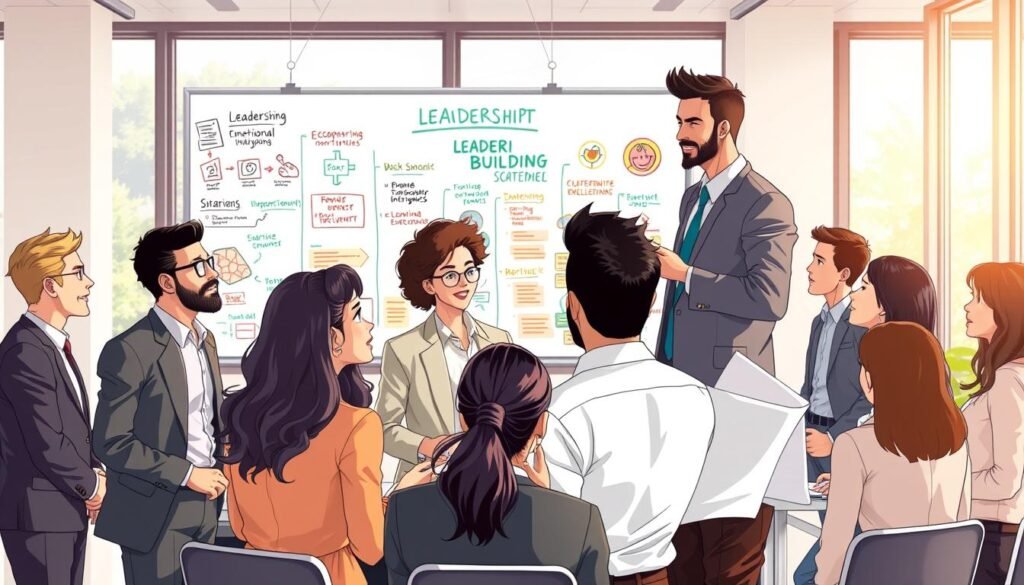
- Building genuine connections with your team members
- Creating space for honest conversations
- Recognizing growth in others before they see it themselves
- Leading by example in every interaction
Prioritizing Professionalism in Management
Professionalism begins with you. Showing up on time, keeping promises, and treating everyone with respect sets the standard. Your team follows your lead.
This means saying no when needed. It means admitting mistakes. It means setting boundaries for your well-being and your team’s.
Leveraging Career Advice for Long-Term Success
Seeking career advice is wise, not weak. Smart leaders ask for help and find mentors who challenge them. They read and listen to those who’ve faced tough challenges.
Your future success depends on today’s decisions. Choose mentors wisely. Choose growth with intention. Aim for lasting impact, not just quick gains.
Conclusion
As you’ve learned, leadership isn’t about being the boss or making perfect choices. It’s about knowing yourself well enough to be real with others. This self-reflection is the base of all that follows.
You now have the knowledge to change how you lead. Emotional intelligence lets you be yourself at work. It helps you connect with your team on a real level. It turns arguments into understanding and stress into growth.
Small changes can lead to big results. Pausing before you react can change a moment. Listening to understand, not just to respond, can change a relationship. Being honest about your feelings can change how others see you.
Your career doesn’t have to stay the same. You can move forward with purpose and Courage. The future belongs to leaders who know themselves, connect well with others, and build strong teams. You can be that leader. The choice is yours.
