
He found a sprig tucked into a book left on a studio shelf. It smelled like the small rituals he kept when deadlines piled up.
That scent — worn into linens and memory — told a long story. Since medieval times, people have used these flowers in soaps, perfumes, and recipes. The plant moved from cloister gardens to kitchen countertops and city apartments.
When he later added a drop of lavender essential oil to a diffuser, the room changed. The familiar aroma steadied his breath. Many now turn to essential oils to ease anxiety symptoms and anchor a busy day.
This is not a fad. It is a botanical practice stretched across centuries. If you bring this oil into your space, you borrow a quiet tool that many have trusted for calm and focus.
Key Takeaways
- Lavender has been used since medieval times in soaps, perfumes, and recipes.
- People use lavender essential oil today to help manage symptoms of anxiety.
- High-quality oils deliver a fuller range of benefits for daily routines.
- Using a few drops in your environment can act as a simple, steadying ritual.
- These flowers connect an old botanical tradition to present-day self-care.
The Science Behind Lavender and Mental Health
The scent arrived like a bookmark in a crowded day, pausing the rush for a breath. Behind that breath sits a nervous system that can be nudged toward calm.
The parasympathetic nervous system is the body’s rest-and-repair circuit. Research shows that the plant’s aroma can engage this system, slowing your heart rate and lowering your blood pressure when stress spikes.
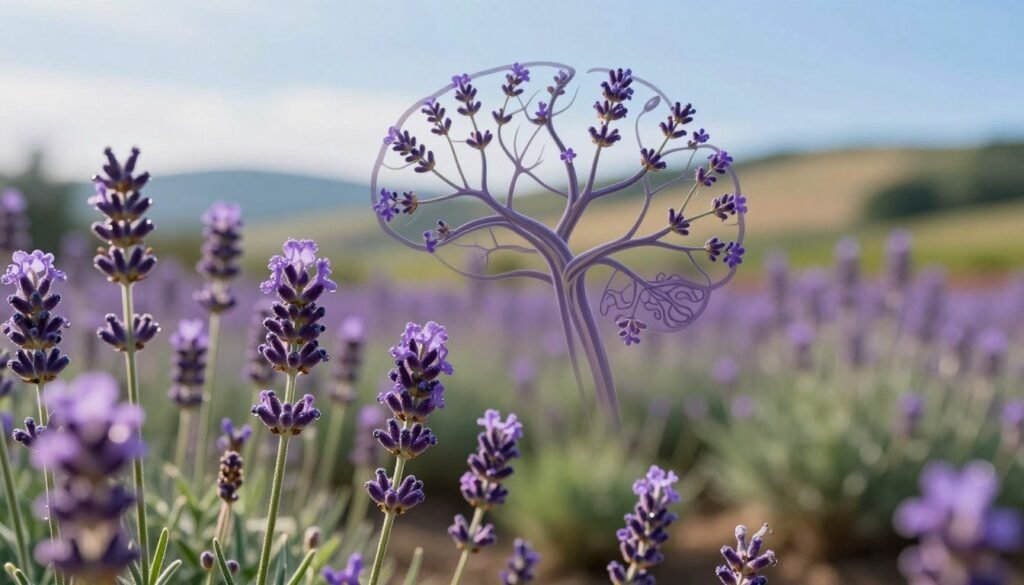
The Parasympathetic Nervous System
When your fight-or-flight reaction floods the body, signals to the heart and lungs speed up. Studies indicate oil inhalation helps restore a neutral state by promoting parasympathetic activity.
Impact on Anxiety and Sleep
A 2005 study found that scent blends including lavender and orange reduced anxiety in dental patients. Later research, including a 2010 trial, showed oral use can ease restlessness and disturbed sleep.
Science points to GABA — a calming neurotransmitter — as one route of effect. Lavender essential oil appears to interact with GABA pathways, helping quiet the mind and improving sleep quality for many people.
- Clinical notes: Several studies report reduced anxiety levels and fewer sleep disturbances in patients who used the oil.
- Benefit: For some, the effects rival those of low-dose medicine, with fewer side effects.
- How it helps: Slower breathing and a steadier heart rate help you move away from stress’s physical grip.
How Lavender, Relaxation, Mental Health, Nature, and Aromatherapy Work Together
A hush arrived with the oil; not loud, but sure. He felt the day loosen around the edges. You can build that same pause into your routine.
What links the plant and practice? The scent reaches the limbic system. That pathway shapes stress, sleep, and mood. The aromatic effects are small acts of medicine when paired with deliberate breath and rest.
Consider the scale: it takes about 220 pounds of flowers to yield one pound of essential oil. That density explains why a few drops hold such potent effects.
- Use scent with simple rituals to support deep sleep and lower anxiety.
- Combine oils and mindful pauses to bridge physical tension and emotional ease.
- See your home as a sanctuary where nature helps steady your nervous system.
In short: when you bring quality oil into an intentional practice, you invite real, measurable change for anxiety, sleep, and overall balance.
Effective Methods for Using Lavender Essential Oil
A measured dose at bedtime became the ritual that steadied his nights. This section outlines practical ways to use the oil, with evidence-based tips and simple cautions.
Oral Administration and Capsules
Clinical studies suggest an 80 mg daily dose of high-quality oil is most effective for managing anxiety symptoms. Capsules offer a consistent, convenient way to maintain that dose during a busy week.
Aromatherapy and Inhalation
Inhale for at least 3 minutes to trigger calming effects; a study found that 10 minutes can significantly lower blood pressure and heart rate. Use only pure oils in diffusers to avoid additives.
Topical Application and Massage
Always dilute essential oils in a carrier oil before using them on the skin. An aromatherapy massage can reduce patients’ anxiety levels and promote deeper ease when done with proper dilution.
- Extraction: Steam distillation pulls the essence from the flowers, yielding potent oil.
- Safety: Check purity and follow dose guidance to limit side effects.
- Use case: For anxiety disorder, oral capsules may be an effective treatment for reducing symptoms when supervised.
Integrating Lavender into Your Daily Wellness Routine
Morning began with a brief ritual: a fingertip dabbed at the wrists and a steadying breath.
Use the oil where you feel it: apply a drop to pulse points — wrists, behind the ears, the nape of the neck. The scent will cue a sense of calm and help steady your heart rate before a busy day.
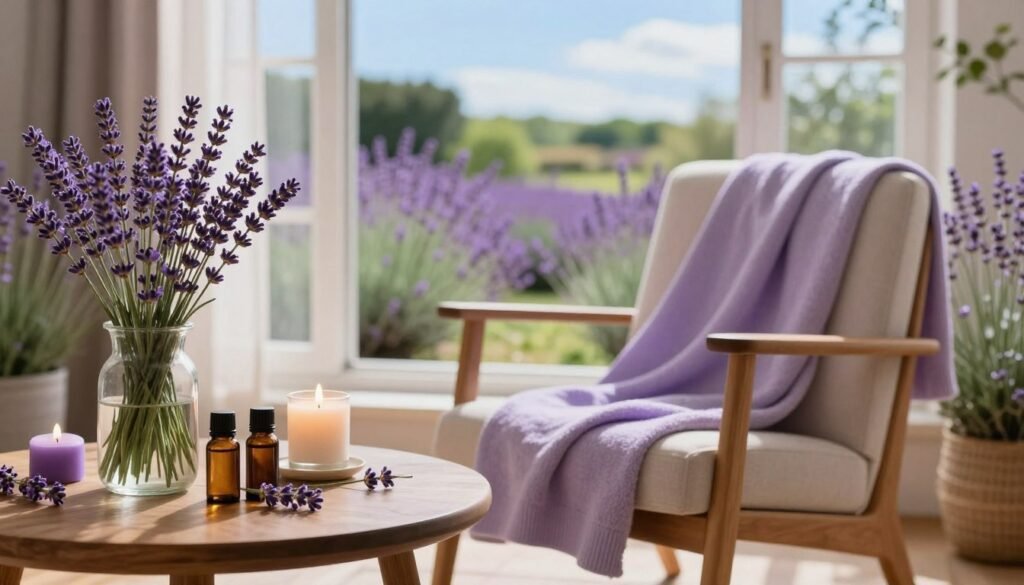
Simple habits build resilience. Diffuse the oil in your bedroom for at least ten minutes before bed to improve sleep quality. A warm bath with a few drops of essential oil also helps you unwind and improve sleep.
“Carry a small vial and use it as a deliberate pause — a tiny act that resets your nervous system.”
- Try a short aromatherapy massage to lower heart rate and blood pressure.
- When anxious, inhale slowly for three mindful breaths to reduce anxiety symptoms.
- Keep a vial in your bag to ground yourself between meetings.
Consistency matters: using these oils daily creates a buffer against burnout and keeps creative energy moving.
Safety Guidelines and Best Practices for Essential Oils
Before he tried the oil, he checked the brand’s claims and the distillation notes.
Good ritual starts with good sourcing. The Food and Drug Administration does not regulate the purity or quality of essential oils. That means you must research brands to find 100% pure products.
Quality Control and Patch Testing
Look for steam distillation on the label. It preserves plant compounds and signals careful extraction.
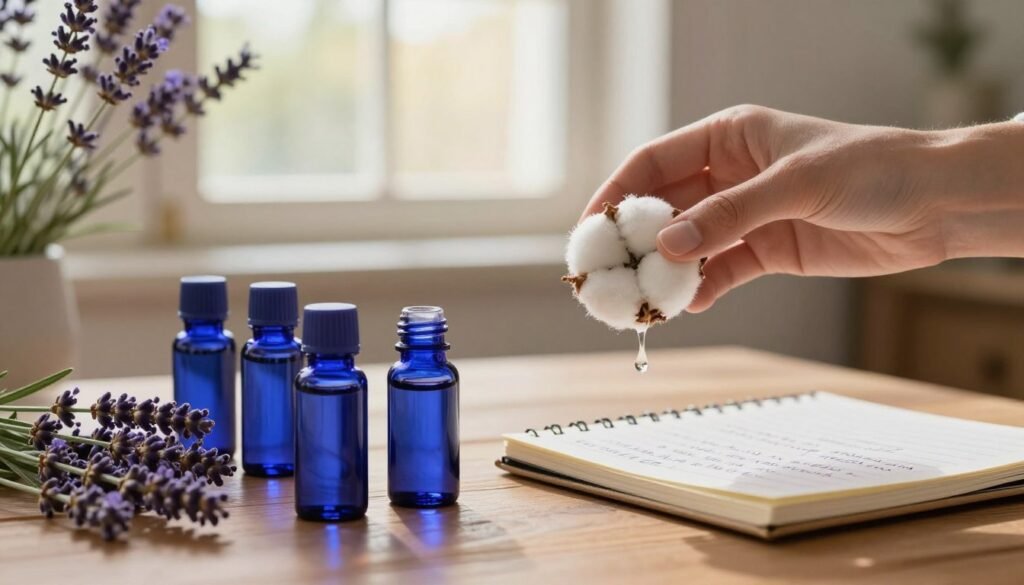
Always perform a patch test. Place a diluted drop on a small patch of skin and wait 24 hours for a reaction.
- Because the FDA does not regulate these products, verify third‑party testing and ingredient lists.
- When you use lavender essential oil topically, dilute it in a carrier oil to avoid irritation.
- If you plan to use oils for massage, follow the recommended dosages to protect your skin and monitor any changes in your heart rate.
- People should follow the manufacturer’s instructions and stop using it if they notice an adverse reaction.
“Treat essential oils with the same respect you would any wellness tool: clear intent, careful dose, and attentive response.”
Conclusion
A single drop on a wrist became the quiet anchor he reached for most nights. It reminded him that small rituals can change how you meet the day.
Research and study the plant’s effects on anxiety symptoms and sleep. For patients with an anxiety disorder, carefully dosed lavender oil and related treatments show measurable benefit with fewer side effects than some medicines.
Use aromatherapy, oral supplements, or topical massage—choose what fits your life. Prioritize quality and follow safety steps so essential oils serve you, not the other way around.
Talk with a clinician before starting treatment for anxiety. With reliable sources and consistent use, you can reduce stress, improve sleep, and regain clearer focus in daily life.
