 Mono Roso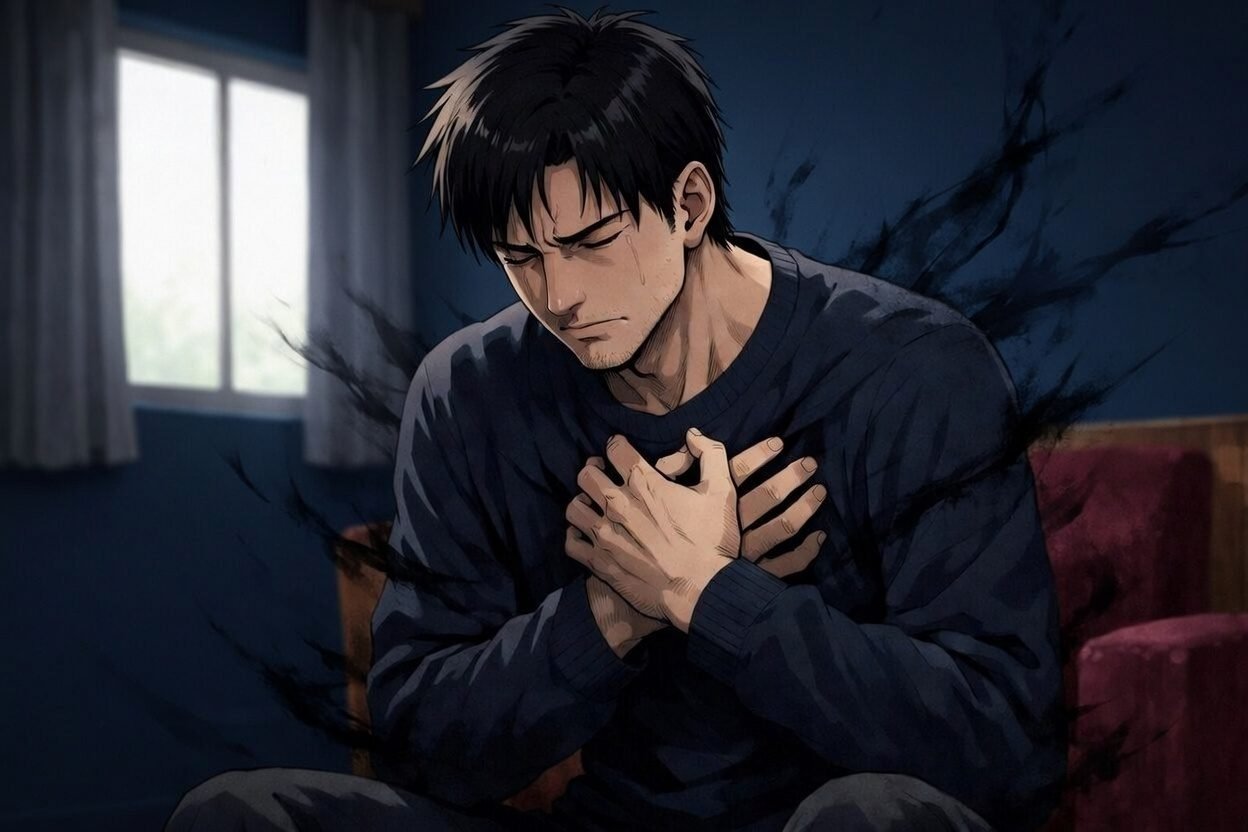
Social rejection isn’t just emotional, it’s a biological crisis your brain treats like physical injury
When Everything Ends
For weeks, the silence had been total. No message. No call. No explanation. That final night, sitting alone in his room, he understood with crushing clarity: she would never respond again. It wasn’t temporary silence anymore. It was permanent—the end.
And then came the pain.
Not the sharp sting of a fresh wound. Not the familiar ache of illness. This was different. Heavier. A crushing weight on his chest, as if invisible hands were slowly squeezing his heart—not to kill him, but to remind him he was still alive. His limbs felt dense, loaded with lead. Every part of his body screamed with agony that had no visible source.
Is this a physical sickness? He wondered. Is my heart actually breaking?
His friends, with the best intentions, would say: “It’s just a feeling. Get over it. Don’t be dramatic.”
But the pain was real. Absolutely real. Like bleeding internally, where no one could see the blood. He felt guilty for suffering so intensely over “just a breakup.” Others seemed stronger. They moved on faster. They recovered.
What he didn’t know—not yet—was that his suffering wasn’t weakness. It was a biological truth—a truth shared by millions of brains experiencing the same phenomenon.
When the Science Becomes Personal: Why This Matters
But here’s the question that changed everything: Is this pain imaginary? A creation of his mind? Or is there actual neuroscience behind it all?
The answer rewrites everything. Social pain isn’t “in his head.” It’s in his brain. And there’s a crucial difference.
The Truth Your Brain Won’t Hide: How Pain Really Works
Social Pain Is Physical Pain (With Science to Prove It)
Social pain is real. Not a metaphor. Not imagination. It’s measurable brain activity. Neuroscientists discovered something remarkable: specific regions of your brain activate when you experience social rejection and abandonment. These same regions activate when you break a bone or burn your hand. Your brain doesn’t distinguish between them.
This groundbreaking discovery came from advanced imaging studies using functional Magnetic Resonance Imaging (fMRI)—technology that allows scientists to observe which brain areas are active at specific moments.
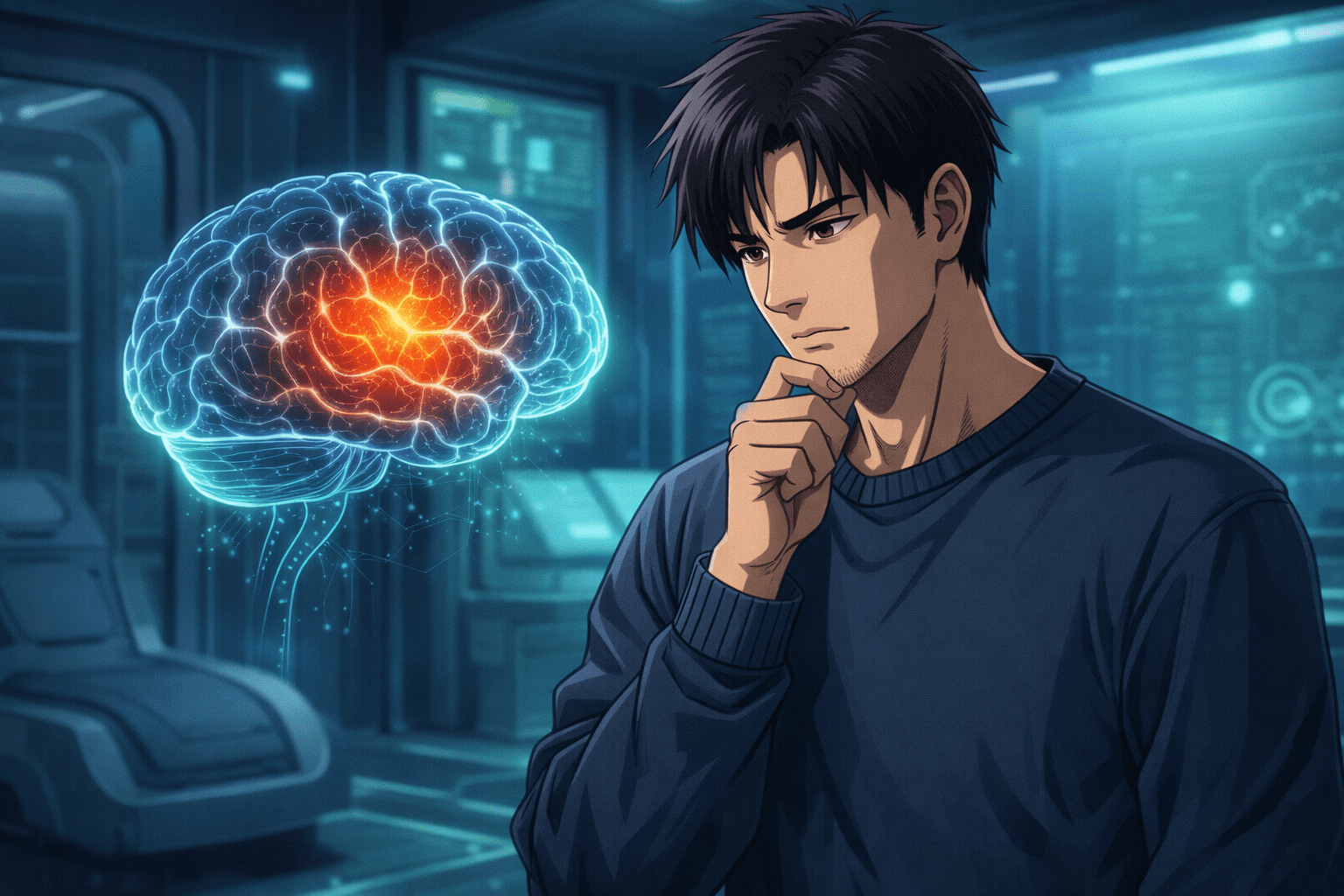
The primary region is called the Anterior Cingulate Cortex (ACC)—an ancient part of your brain that evolved early. Its core function is to detect danger and trigger alarms. When you feel physical pain, it fires up. When you feel rejected, it fires up the same way.
Why Your Ancient Brain Treats Rejection Like Death
Picture this: Your brain has a single alarm system for pain. This system doesn’t read “physical pain” or “emotional pain.” It simply reads: “Warning. Threat detected. You are in danger.”
When you’re rejected, when you’re abandoned, when you’re humiliated, your brain says, “This is like death.”
For your ancestors, being rejected by the tribe meant actual death. No tribe = no protection = no survival. So your brain developed a defense mechanism: it made rejection hurt physically. This forced you to take it seriously.
The evidence isn’t theoretical. In a landmark study by University of Toronto researchers led by Geoffrey Dewall, scientists found that regular pain medication (like acetaminophen/paracetamol) actually reduces social and emotional pain in people experiencing rejection.
This isn’t a coincidence. It’s concrete proof that your brain treats social rejection as literal physical pain.
What Understanding This Actually Gives You
1. Permission to Stop Shaming Yourself. You’re not weak. You’re not going crazy. It’s not “all in your head.” The pain is real. Biological. Justified.
2. Compassion for Yourself. If you broke your leg, you’d rest. You’d take time to heal. You wouldn’t rush. The same applies here. Your nervous system needs recovery time.
3. Deeper Empathy for Others. When someone says they’re hurting from a breakup, don’t dismiss it. Don’t say “just get over it.” Say instead: “I understand. Your brain is literally in pain.”
4. Practical Pathways to Healing. This isn’t just “spend time with friends.” It’s: acknowledge this as real pain, then treat it accordingly.
Six Practical Steps to Reclaim Your Power

Step 1: Name What You’re Experiencing
The pain is real. Say it out loud. Don’t apologize. Don’t pretend you’re “fine.” You’re not fine right now. And that’s normal.
Step 2: Stop Racing Others to Recovery
Don’t compete with anyone’s healing timeline. There’s no winning. Your body needs time. Permit yourself to take it.
Step 3: Reach Out for Support
Social connection reduces social pain. This isn’t opinion. This is neuroscience. Call a trusted friend. See a therapist. Don’t isolate.

Step 4: Move Your Body
Exercise reduces all types of pain. All of them. Walk. Swim. Dance. Move however feels right. Your brain will release chemical signals that ease the pain.
Step 5: Change Your Environment
New places. New people. Different routines. Your brain needs fresh stimuli. Stimuli that don’t remind you of what’s lost.
Step 6: Accept That Healing Isn’t Linear
One day you’ll feel better. The next day, you might crash. That’s normal. Don’t punish yourself. Keep going.
The Moment Everything Shifts
When he finally found that research paper, something strange and beautiful happened. The pain didn’t disappear. But its meaning transformed completely.
It was no longer shameful. No longer a sign of weakness. It became evidence of his humanity. Evidence that his brain was real, complex, and powerful. The pain he felt was actually proof of strength, not fragility. Proof that his heart hadn’t forgotten. That his spirit hadn’t hardened. That he was, fully and completely, human.
This understanding became liberation. Not liberation from pain, but liberation from shame about the pain. Liberation from hiding something so natural. From this moment forward, healing became possible.

Your Turn: Stop Hiding and Start Healing
If you’re suffering right now, stop apologizing for it.
Take action today. Contact one person. Someone you trust. Tell them: “I’m hurting.”
Don’t wait until tomorrow. Don’t wait until next week. Not someday. Now.
Your brain was right to sound the alarm. You felt it. Now listen. Then move forward.
Healing begins the moment you stop hiding.