 Mono Roso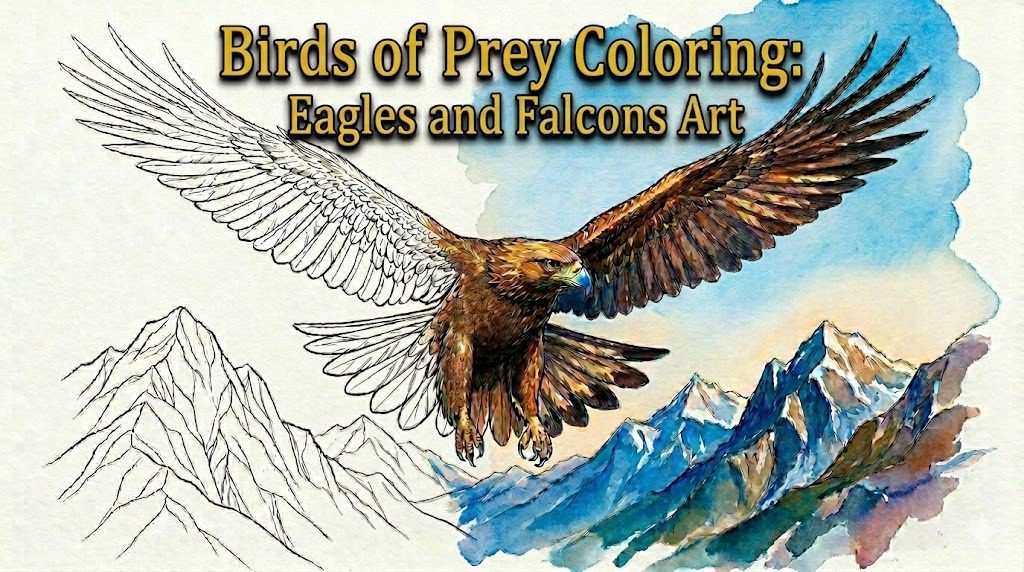
He sits at his desk, pencils in perfect rows. The blank page stares back. His hand moves familiarly, but it feels empty. The spark that once drove him is now just routine.
What if the answer to breaking free was in a hawk’s eyes? Studying birds-of-prey Coloring could help shake off the creative fog. These hunters move with purpose and power. They see what others miss.
This guide invites you to reconnect with your art through eagle line art. By learning to draw these creatures, you see the world differently. Your pencil becomes a tool for discovery. Your sketches become meditation. Your art comes alive again.
Key Takeaways
- Birds of prey coloring teaches precision, patience, and the art of capturing fierce intelligence in your work.
- Eagle line art develops your foundational drawing skills through careful observation of anatomy and form.
- Studying raptors breaks creative stagnation by shifting your focus from perfection to purposeful practice.
- Mastering feather texture and talon detail builds confidence in rendering complex natural subjects.
- The meditative Nature of detailed wildlife art reconnects you to why you started creating in the first place.
- Professional techniques for birds of prey translate directly to stronger work across all your artistic pursuits.
The Appeal of Wildlife Art
Why does a single image of a raptor stop you in your tracks? There’s something magnetic about capturing Birds in their raw, untamed state. When you engage with Wildlife Art, you’re not just creating pretty pictures. You’re answering a deeper call within yourself.
Drawing Eagles and Falcons pulls you out of autopilot. Your mind quiets down. Your hands focus. The constant buzz of emails, notifications, and deadlines fades away. In that silence, you find yourself present in a way modern life rarely allows.
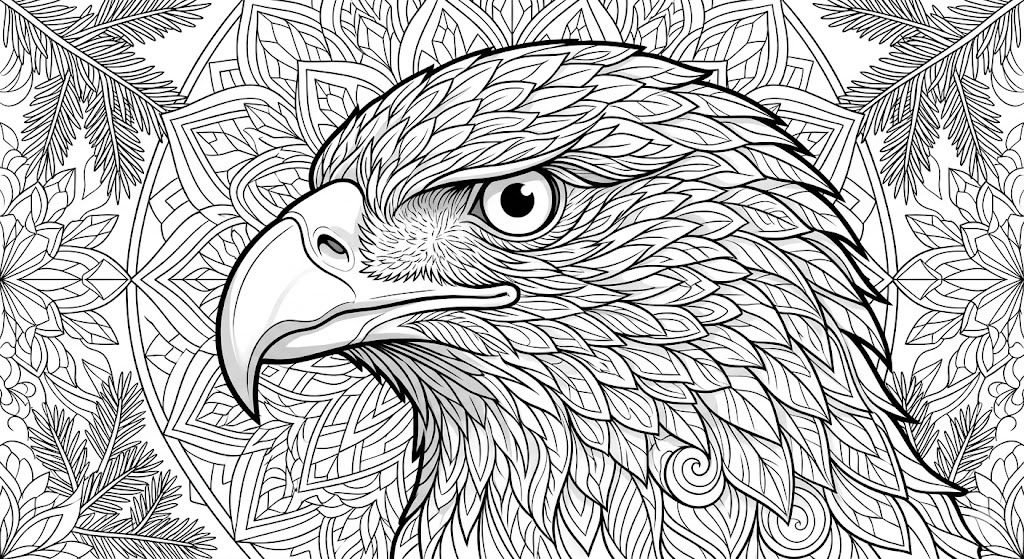
Art centered on Birds demands something honest from you. Observation becomes meditation. You notice how light hits a feather. You see the curve of a talon. You study the intensity in an Eagle’s eye. This isn’t busy work. It’s a return to what matters.
Consider what drawing these magnificent creatures gives you:
- A break from digital screens and constant stimulation
- A chance to slow down and truly see the natural world
- A creative outlet that feels both peaceful and purposeful
- Connection to something larger than yourself
- Skills that translate into a deeper understanding of form and motion
Falcons and Eagles in Art represent freedom, power, and precision. When you sketch them, you’re tapping into that same energy. Your creative block doesn’t stand a chance against the focused intensity these subjects demand. You reconnect with why you started creating in the first place.
This section prepares you to master the actual techniques that bring these predators to life on the page.
Essential Techniques for Birds of Prey Coloring, Eagle Line Art
Creating realistic artwork of raptors is more than just talent. It’s about honesty in every mark. When you draw, you’re not aiming for perfection. You’re starting a conversation between your hand and the paper.
Think of your pencil as a truth-teller. Each stroke should show your intention. The Golden Eagle’s wingspan teaches you about scale. The peregrine falcon’s form shows efficiency.
Building technical skill in your work is like building discipline in life. Mastering eagle line art teaches you control. You learn about pressure and how flow builds a strong foundation.
Mastering Precision in Line Work
Precision begins with respecting anatomy. Study the bones under feathers. Notice how joints move and where muscles attach.
- Hold your pencil lightly at first.
- Build pressure gradually as you confirm placement
- Use reference photos from multiple angles
- Practice individual features in isolation
Blending Colors for Realistic Feathers
Feathers tell stories through layering. When you color with intention, you create depth with subtle shifts.
- Start with lighter base tones
- Layer darker shades into natural shadow areas
- Blend transitions where colors meet
- Preserve highlights for dimension
This technical work changes you. It demands your full presence. You’re not just drawing—you’re awakening.
Capturing Predators in Flight
Watching a raptor soar through the sky is awe-inspiring. It shows raw power in motion. To draw birds of prey in flight, you need more than just skill. You must grasp the physics of speed and the precision of their dives.
It’s about capturing a moment of pure action. You’re not drawing a static subject. You’re drawing energy itself—the intensity of a hunter closing in on its target. This changes how you see your artwork.
Dynamic Poses for Hunting Scenes
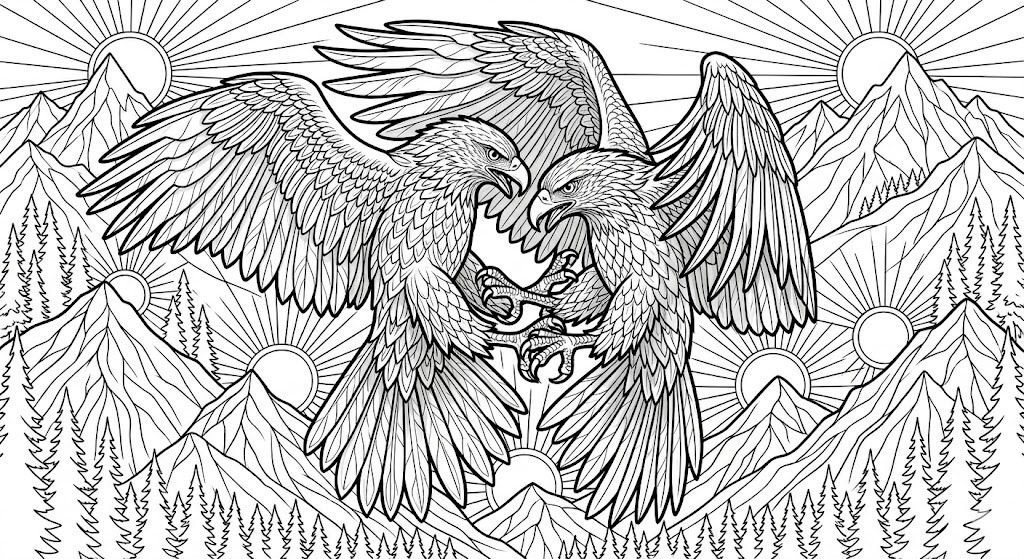
Predators move with purpose. Every muscle works together for one goal: the hunt. When sketching these moments, focus on the body position that tells the story.
- The stoop dive of a Peregrine Falcon—wings folded tight, dropping at speeds over 240 mph
- The sudden brake—wings spread wide to slow the descent and adjust aim
- The strike position—talons extended, body tensed for impact
- The ascent with prey—powerful wingbeats lifting the catch skyward
Each pose shows something unique about the hunt. Your task is to pick the moment that speaks the loudest.
Perspective and Motion in Sketching
Wings in action create lines that guide the viewer’s eye. These lines should flow through your entire drawing. Think about where the predator is moving toward, not just where it sits on your page.
Use these techniques to build tension:
- Position the raptor slightly off-center, creating space for movement
- Angle wings to suggest direction and speed
- Add subtle background elements that blur with motion
- Emphasize the forward momentum through body language
The best drawings of birds of prey in flight feel alive. They pulse with purpose. That’s what makes a good sketch great.
Realistic Sketching for Nature Enthusiasts
You sit at your desk, surrounded by screens. Hours pass, and the world outside seems far away. Many creative people feel this way. But a sketch can bring you back.
This section is for those who love realism and want to connect with Nature. When you focus on Wildlife with precision, something changes. You stop copying images and start seeing the details in every feather and talon.
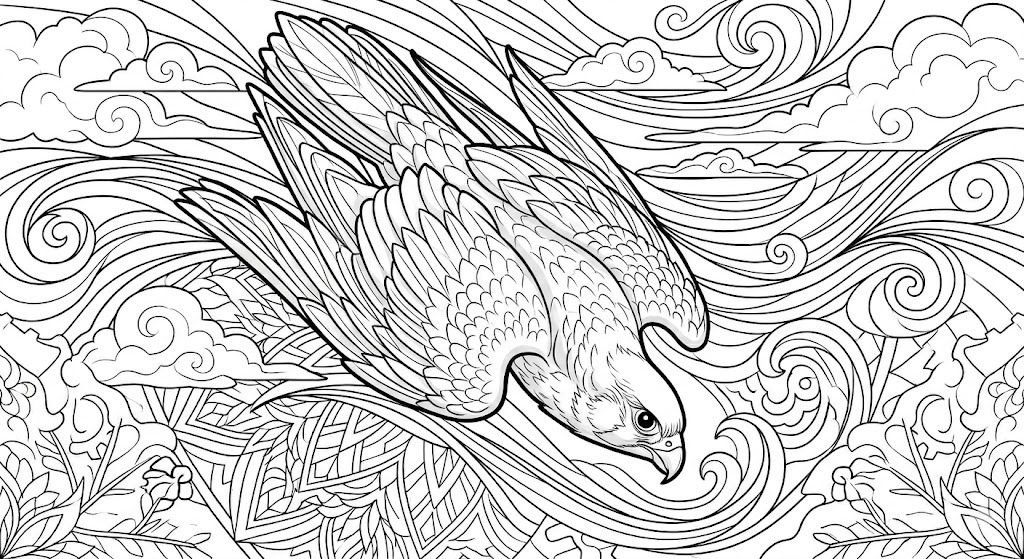
Drawing becomes more than just creating. It’s a conversation with NaNaturetself.
Why Realistic Observation Matters
Sketching a bird of prey is more than making marks. It’s documenting a creature’s life. You learn about muscles, feathers, and movement. This attention helps you engage with the world.
Realistic sketching requires:
- Slow down and observe small details
- Notice how light affects feathers and skin
- Understand the anatomy and movement of creatures
- Build patience through practice
- Reconnect with the physical act of creating
Observation is a powerful way to fight creative burnout. Through your pencil, you document life. This connection is more important than perfection.
Detailed Anatomy of Falcons and Eagles
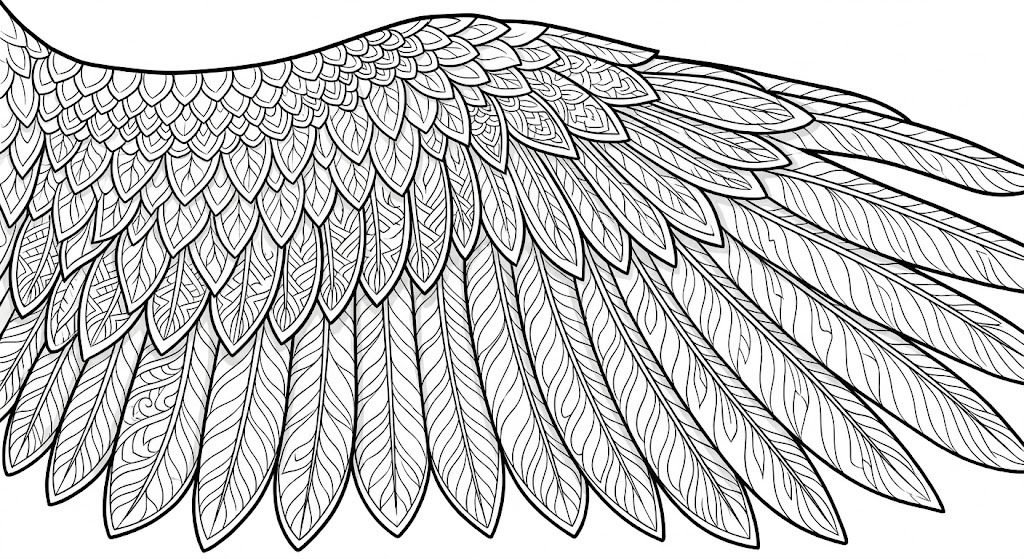
To draw Birds with conviction, you need to understand what lies beneath their feathers. The skeleton, muscles, and organs of Eagles and Falcons reveal why these creatures move with such purpose. When you study their construction, you’re not just learning to shade better—you’re learning the truth about how Nature designs efficiency.
Every curve serves a function. Every proportion tells a story. This is the foundation of authentic artwork.
Focusing on Beak and Talon Structure
The beak and talons define these Predators. They’re not decorative details—they’re weapons and tools refined over millennia.
- The beak curves with a sharp point designed for tearing. Study how it connects to the skull.
- The talons are extensions of the foot, each claw gripping with devastating precision.
- The grip strength comes from the forearm muscles you must capture in your line work.
Draw these elements with accuracy, and your work gains authority.
Proportions for Majestic Raptors
Eagles and Falcons share similar proportions, yet differ in key ways:
- Head size relates to body length in specific ratios
- Wing span extends multiple times the body height
- Tail feathers balance the forward weight
- Legs are surprisingly short compared to the overall size
Understanding these relationships transforms your sketches from guesses into statements of fact.
Choosing the Right Tools for Professional Drawings
You might have more supplies than you use. Brushes and pencils often sit idle. The hope was that better tools would lead to better art.
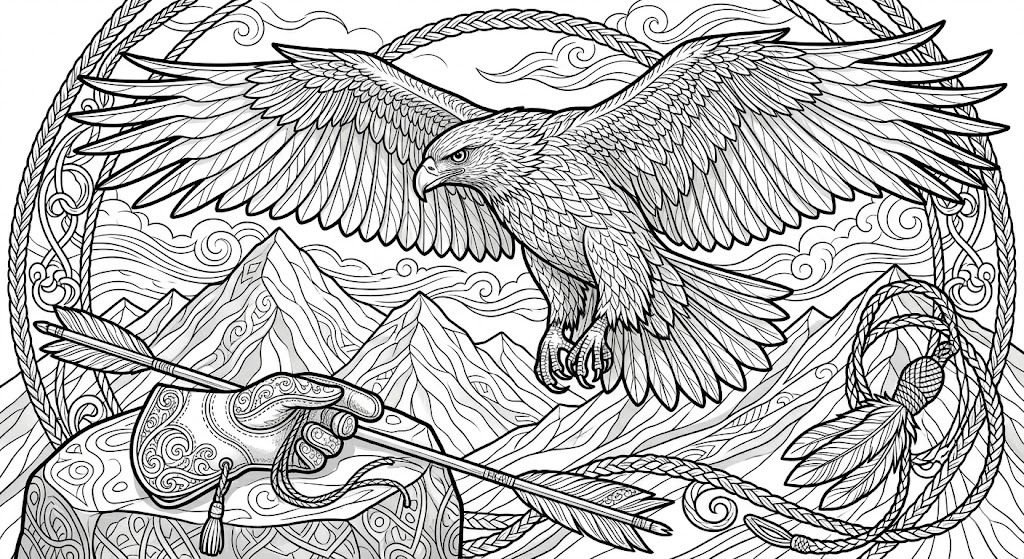
Creating professional drawings of birds of prey in flight and in hunting poses a challenge. Your toolkit should enhance your vision, not clutter it. The right tools become an extension of your hand and mind.
Start With Essential Supplies
Get rid of the unnecessary. Your art doesn’t need many tools. A solid base includes:
- Quality graphite pencils (HB, 2B, 4B grades for sketch work)
- Smooth drawing paper with tooth for holding pigment
- Kneaded erasers for precision and correction
- Blending stumps for feather texture detail
- Fixative spray to protect finished work
The Digital Alternative
Digital tools offer freedom that traditional methods sometimes lack. A graphics tablet with software like Clip Studio Paint or Procreate opens new doors. It lets you capture the fine details of featherwork that birds of prey require.
Both traditional and digital methods work. Choose what feels natural in your hands.
Simplify to Create
The real challenge isn’t your tools. It’s the overwhelming choice. Too many options can stifle creativity. Pick three essential tools. Master them fully.
Your professional drawings succeed because of your vision and skill, not your tools. Remove the distraction of endless choices. Focus on capturing the power and grace of these magnificent predators.
Bringing Wings to Life Through Shading
The magic in bird art is in the shadows. You’ve learned about anatomy and sketched poses. Now, it’s time to add depth with light and shadow. This is for those who want their birds to jump off the page.
Shading turns a simple drawing into something alive. By layering light and dark, you create depth. Start with dark, build up, and let the paper shine as your light source.
Creating Depth with Contrast
Strong contrast is key. Place your darkest next to your lightest. This creates a visual impact that draws the eye.
- Use deep shadows under the wings and body
- Leave white paper for highlighting areas on the head and chest
- Build mid-tones gradually between extremes
- Think about where light hits a curved form
Light on Wings shows form. A falcon’s back catches light differently from its underside. Pay attention to these differences in your photos. Your Coloring should follow Nature’s seed.
Highlighting Texture in Plumage
Feathers need patience. Each one has its own direction and depth. Use shading to show how feathers overlap and catch light.
- Establish the overall shadow pattern first.
- Add individual feather strokes with your pencil’s point
- Keep some feather lines soft and others sharp
- Let texture emerge through layered strokes
Real transformation happens when you stop rushing. Gradual layering teaches patience. Your patience shows in every shadow you build.
Conclusion
Drawing birds of prey is more than just putting pencil to paper. It’s a conversation with the world around you. When you sketch an eagle’s eye or a falcon’s talons, you’re listening to Nature’s sessions.
Each line you draw takes you out of dull routines. It brings you into a space where observation turns into transformation.
You now have real skills in your hands. You know how to mix colors for feathers that seem alive. You can capture motion and power in one pose.
You see proportions that make raptors look majestic rather than flat. These skills are the foundation of true expression. They come from deep, looking, and honest effort.
Your next piece is waiting for you. Let it be different from what you’ve done before. Show what you’ve learned about light, shadow, and the beauty of predators in flight.
Remember, you’re not working on autopilot anymore. You’re creating with awareness and intention. That shift is where real art lives.