
 Mono Roso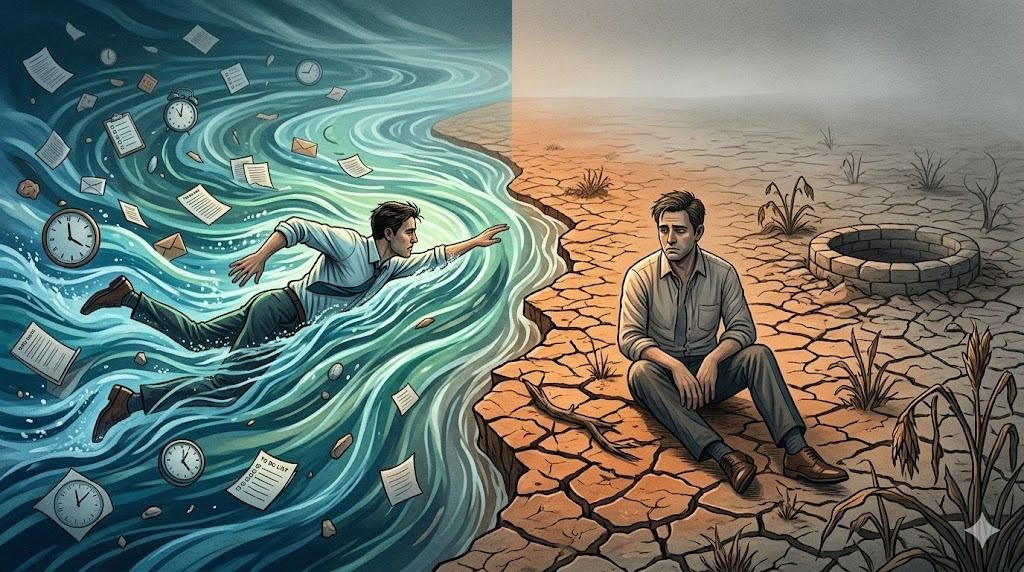
Maybe you’re reading this after another long day. Your eyes are heavy, but your mind is racing. You’ve felt this way for weeks, maybe months. It’s more than just needing a good night’s sleep.
What you’re facing might be burnout. The World Health Organization calls it an “occupational phenomenon.” It’s a deep state of emotional, physical, and mental exhaustion caused by prolonged stress. It doesn’t go away with rest.
You might feel completely dried up. Emotionally drained. Cynical about things that used to matter. If this sounds familiar, you are not alone. This is not a personal failing.
Many people confuse deep fatigue with this more serious condition. Understanding the gap between them is crucial. Mistaking one for the other can keep you stuck in a cycle that feels impossible to break.
The good news? This state is treatable. It is not a life sentence. This guide is your first step toward recognizing what’s really happening. We’ll walk you through a practical roadmap to not only bounce back but build real Resilience.
You’ve already shown strength by looking for answers. Let’s begin with understanding.
Introduction: The Exhaustion That Sleep Won’t Fix
There’s a specific kind of weariness that coffee can’t touch and a weekend away can’t cure. You know it. It’s that 5 AM moment in a quiet house, staring at the ceiling, already dreading a day that feels exactly like the last hundred. A quiet voice asks, “Everyone else handles this. Why can’t I?”
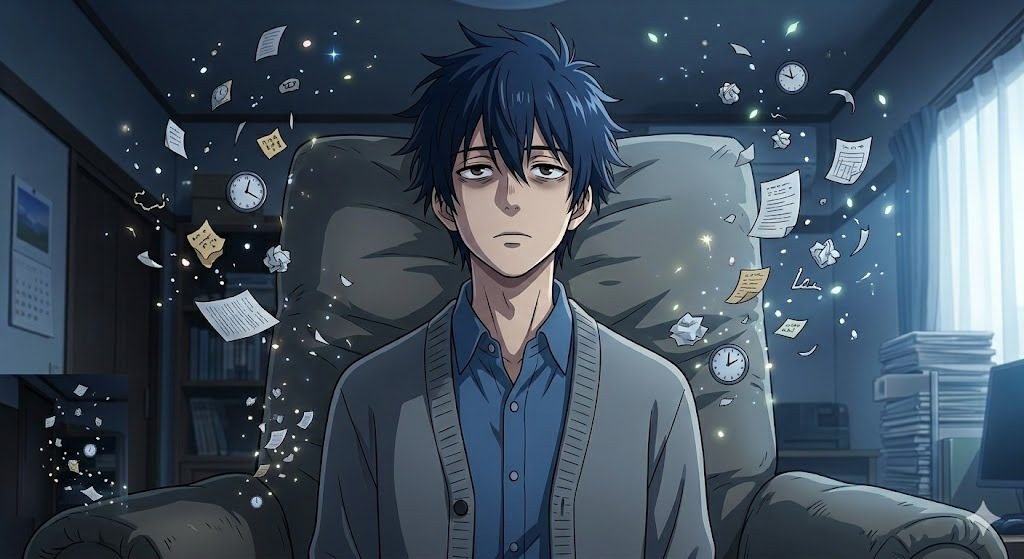
This isn’t normal tiredness. Ordinary fatigue gets better after you rest. What you’re experiencing is different. It’s a deep drain that rest doesn’t repair. It’s the hallmark of burnout.
You may feel like every single day is a bad day. Caring about your work or home life starts to seem like a total waste of your energy. You’re exhausted all the time.
Your day gets swallowed by tasks that feel mind-numbingly dull or completely overwhelming. You start to believe that nothing you do makes a difference or is ever appreciated.
These thoughts are subtle red flags. They signal that burnout is creeping in. It turns your world into a gray, unending slog.
Please hear this: you are not alone in this. Countless people, especially in high-pressure or isolated roles, feel this right now. Nurses, caregivers, farmers, and many others know this peculiar fatigue.
This is your permission slip. Stop telling yourself you’re “just tired.” Start seeing this exhaustion as a critical signal. It demands your attention.
Burnout doesn’t happen overnight. It’s a slow fade. That’s why it’s so easy to miss until it has a firm grip on your life. You keep pushing, thinking you can balance it all.
What you are feeling has a name. It is real. Recognizing it is your first powerful step toward taking back your well-being. Understanding is the key that unlocks the door to help and change.
Exhaustion vs. Burnout: Understanding the Fundamental Difference
Think of your energy as a well. Stress might lower the water level, but burnout means the well has run completely dry.
This is the core distinction many miss. One is about depletion. The other is about emptiness. Knowing where you stand changes everything.

Let’s be clear. Feeling worn out is a signal. It’s your body asking for a break. What we’re talking about here is a deeper, more systemic drain. It’s when rest doesn’t refill the tank.
This state often grows from unrelenting pressure. But it transforms into something entirely different.
When Stress Becomes Something More
Pressure is a part of life. Deadlines, responsibilities, family needs—they all demand your attention. For a while, you cope. You might feel anxious or overloaded, but there’s a sense that you can handle it.
Prolonged stress acts like a slow leak. When it becomes chronic stress, it stops being a temporary reaction. It becomes your new normal. Your system is constantly “on.”
This is the fuel. Over weeks and months, it can ignite a more profound shift in how you see your world.
If excessive stress feels like you’re drowning in responsibilities, burnout is a sense of being all dried up.
The emotional change is key. You move from feeling overwhelmed to feeling numb from caring too much to struggling to care at all. This cynicism is a classic red flag.
Key Distinctions: Too Much vs. Not Enough
Here is the simplest way to frame it. Stress is about too much. Burnout is about not enough.
Consider these contrasts:
- Stress: You’re swimming hard, fighting a current. You’re tired, but you believe the shore is reachable.
- Burnout: You’re no longer in the water. You’re on a barren shore, parched, with no drive to look for water.
With stress, there’s often nervous energy. You think, “If I can just organize these tasks, I’ll be okay.” There’s a belief that control will bring relief.
When experiencing burnout, that belief shatters. The idea of getting things under control feels pointless. You may feel empty, devoid of motivation. The engine has stalled.
Ask yourself these questions:
- Do I feel like I’m running on empty, not just on overload?
- Do I lack the drive to care about outcomes I once valued?
Your answers are a powerful guide. They point toward which camp you’re in.
Recognizing this gap is empowering. It means your state isn’t a personal failure. It’s a predictable outcome of unsustainable conditions. Your health is sending a clear message.
It’s also helpful to know that burnout can look different. Some people burn out from frenetic overwork. Others fade from under-challenge or a lack of recognition. Your personal factors shape your symptoms.
This understanding is your first real step toward the right help. It directs you to the most effective strategies for meaningful changes. Whether you need to balance a hectic work life or rebuild from a place of emptiness, the path starts with seeing the difference clearly.
Burnout vs. Depression: Untangling Overlapping Symptoms
The line between burnout and clinical depression can feel blurry, even invisible, when you’re in the thick of it.
It’s confusing, and it’s scary. You might look up a list of symptoms and see yourself in both. The deep fatigue. The trouble focusing. The loss of interest in things you once loved.
You are not imagining this overlap. It’s real. But understanding the core differences is a powerful step toward the right kind of help.

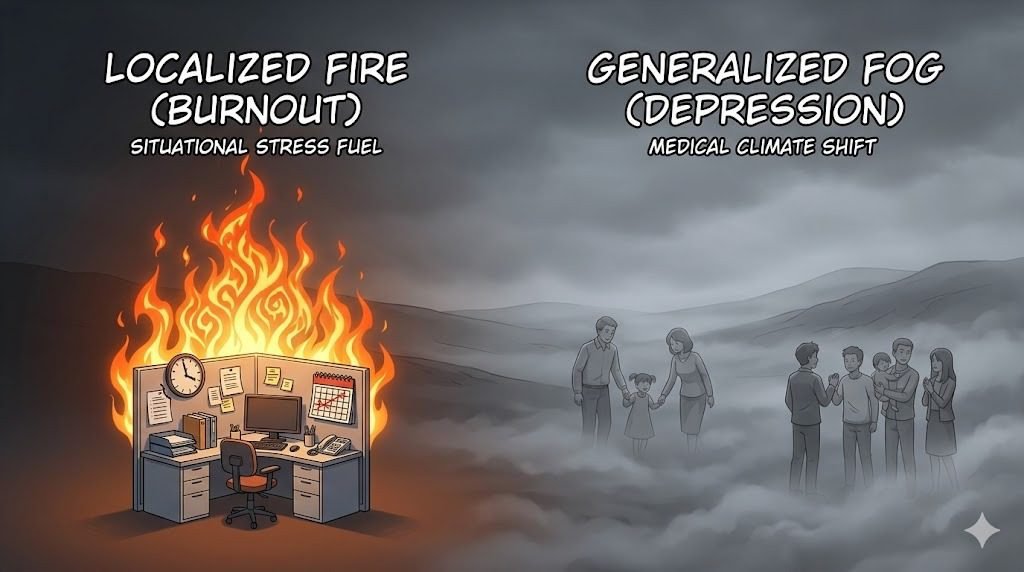
Let’s untangle them. Think of it this way. Burnout is often like a localized fire. It’s typically sparked by external pressures in one area, like your work or caregiving role.
If you remove or manage that fuel source, the flames can die down. Your negative feelings are often tied to that specific situation.
Clinical depression is different. It’s not a single fire. It’s more like a fog that settles over your entire landscape. It’s a recognized medical condition.
This fog can persist even when your external circumstances change. It colors everything—your view of yourself, your past, and your future.
Burnout is about a specific drought in your work life. Depression is about a climate shift in your entire emotional world.
Here’s a simple comparison to hold in your mind:
- Origin: Burnout usually comes from prolonged job or caregiving stress. Depression arises from a complex mix of genetic, psychological, and environmental factors.
- Scope: With burnout, you may feel empty and cynical about your job. With depression, that sense of hopelessness can blanket your whole life—your home, relationships, and hobbies.
- Path Forward: Addressing burnout focuses on changing your relationship with the source of stress. Treating depression often involves therapy, medication, and lifestyle changes under health care guidance.
A critical point to remember: untreated burnout can develop into depression. This makes paying attention to early signs a protective act for your overall mental health.
So, how can you start to tell? Ask yourself one guiding question.
“Do my low feelings and lack of drive center mostly on my job or main caregiving tasks? Or do they color every part of my day, even the good moments?”
Your honest answer points you in a direction. But it’s not a final diagnosis.
Only a qualified professional, like a doctor or therapist, can provide that clarity. Seeking that answer is a sign of strength, not weakness.
Whether you’re experiencing burnout, depression, or a mix of both, please know this. Both conditions are treatable.
Understanding this difference helps you and any professional you see choose the most effective path. It leads you toward the specific activities and support you need to feel like yourself again.
You can find your way back. Many people have. You are not alone in this.
Recognizing the Red Flags: Early Signs and Symptoms
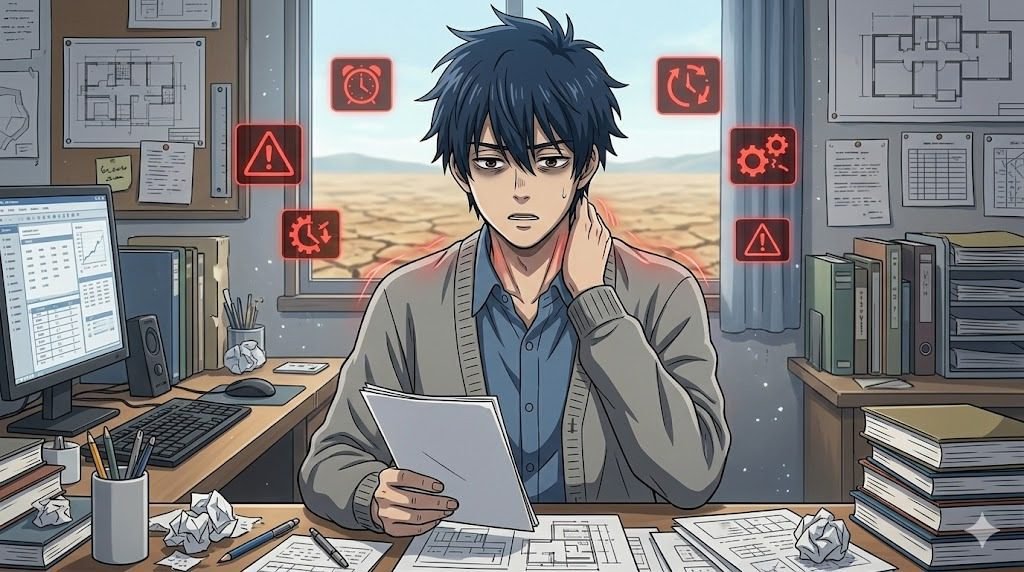
It starts as a whisper—a subtle shift in how you feel each day. You dismiss it as a rough patch. But these whispers are your system’s early warning signals. They are red flags to heed, not just bad days to endure.
Noticing them gives you a powerful chance to intervene. You can make changes before a full crisis hits. Let’s explore these signs with curiosity, not judgment.
Physical and Emotional Warning Signs
Your body often speaks first. Listen to its cries for help.
You might feel tired and drained most of the time. This isn’t ordinary sleepiness. It’s a deep exhaustion that a good night’s rest doesn’t fix.
Your immunity drops. You catch every cold going around. Frequent headaches or muscle aches become common. Your day might be punctuated by tension in your neck and shoulders.
Watch for shifts in basic habits. Are you sleeping too much or lying awake? Has your appetite changed? These are physical symptoms.
Your inner landscape shifts, too. A sense of failure or self-doubt creeps in. You may feel helpless, trapped, or defeated.
Emotional numbness sets in. You feel detached from your work and the people around you. Motivation slips away.
A growing cynicism replaces hope. You start seeing the negative side of everything. This outlook can strain your home life.
For people in rural or isolated settings, these signs might look different. You might snap at family after long solo hours. You may neglect property maintenance you once took pride in.
These are not signs of weakness. They are signals of unsustainable pressure.
Behavioral and Cognitive Shifts
Your actions and thoughts start to tell a story. Observable changes happen.
You withdraw from responsibilities. Tasks at the job or chores at home pile up. You start isolating from others.
Procrastination becomes a habit. You use Food, drugs, or alcohol to cope. Sometimes, you take out your frustrations on loved ones.
You might skip work or come in late. A dedicated worker starts missing deadlines. This is a key behavioral red flag.
Your mind is affected. Mental fog rolls in. Trouble concentrating is common. Forgetfulness and indecisiveness slow you down.
Racing, constant worry fills your head. It becomes hard to focus on simple activities.
Burnout is a gradual process. These signs are your dashboard lights flashing. Ignoring them leads to a breakdown.
If you’re a high achiever or a caregiver, you might dismiss these signs. You tell yourself to push harder. Reframe this. Self-awareness is a strategic skill for long-term sustainability.
Are you experiencing burnout? Scan this list honestly. Ask yourself, “How many of these feel like me right now?”
Your answer is valuable data. It guides you toward the right care and support. Recognizing these symptoms is the first step to addressing them.
This state shares some symptoms with depression. That’s why paying attention matters for your overall health. Understanding these conditions helps you seek the proper help.
You are not alone in this. Many people walk this path. Seeing the red flags clearly is your power.
The Silent Progression: The Five Stages of Burnout
The path from passion to depletion isn’t a sudden drop. It’s a series of steps you might not notice you’re taking.
Seeing this progression isn’t meant to scare you. It’s meant to empower you. When you understand the stages, you can pinpoint where you are. That knowledge shows you what to do next.
Let’s walk through them together. This model maps a common journey from energetic commitment to profound depletion.
Everything feels new and possible. You start a new job, project, or caregiving role with high energy.
You’re committed, productive, and optimistic. This phase feels great. Many people love this driven worker mindset.
You might feel invincible. But this intense engagement can become the fuel for what comes next if not balanced.
Stage 2: The Onset of Stress
The initial enthusiasm begins to wane. The pressure of daily responsibilities starts to feel heavier.
You might neglect your own care to keep up with tasks. Long hours become normal.
Early symptoms appear. Think anxiety, irritability, headaches, and a nagging fatigue. Your productivity begins to dip.
Stage 3: Chronic Stress
This is where stress becomes your constant companion. That tired feeling doesn’t leave after a break.
A sense of exhaustion is always with you. Cynicism or apathy creeps into your outlook.
You may start withdrawing from others. Procrastination or relying on quick fixes to cope becomes a habit.
Recognizing you’re in Stage 3 is a critical window. It’s your chance to intervene before hitting a crisis.
Stage 4: Full Burnout
This is the stage most people think of when they hear the term. Negativity feels pervasive and inescapable.
You feel like you’re drowning in problems at work and home. Self-doubt is a constant voice.
Physical health often declines. You might neglect your well-being completely. Experiencing burnout here means feeling trapped and hopeless.
Stage 5: Habitual Burnout
The condition becomes embedded in your daily life. You may feel a persistent, deep sadness.
Mental and physical fatigue are your baseline. Joyful activities feel impossible to access.
This stage significantly raises the risk of clinical depression. Seeking health care support is often essential here.
Now, ask yourself one powerful question: “Which stage resonates most with my current experience?”
Your honest answer isn’t a label. It’s a starting point. Knowing your stage reduces shame. It gives you a clear map.
Recovery isn’t about jumping from stage five back to stage one overnight. It’s about taking deliberate, compassionate steps to move back through the stages.
No matter where you are on this path, it’s never too late to begin your reversal. Understanding this progression is your first step toward meaningful changes and the right kind of help.
Root Causes: What Fuels the Burnout Fire
Burnout doesn’t ignite from a single spark. It’s a slow burn fed by many different kinds of fuel.
To truly address it, we need to look at what’s feeding the flames. Often, it’s a perfect storm of external pressures and internal reactions.
Understanding these factors moves you from self-blame to strategic insight. Let’s explore the common culprits.
Workplace and Environmental Factors
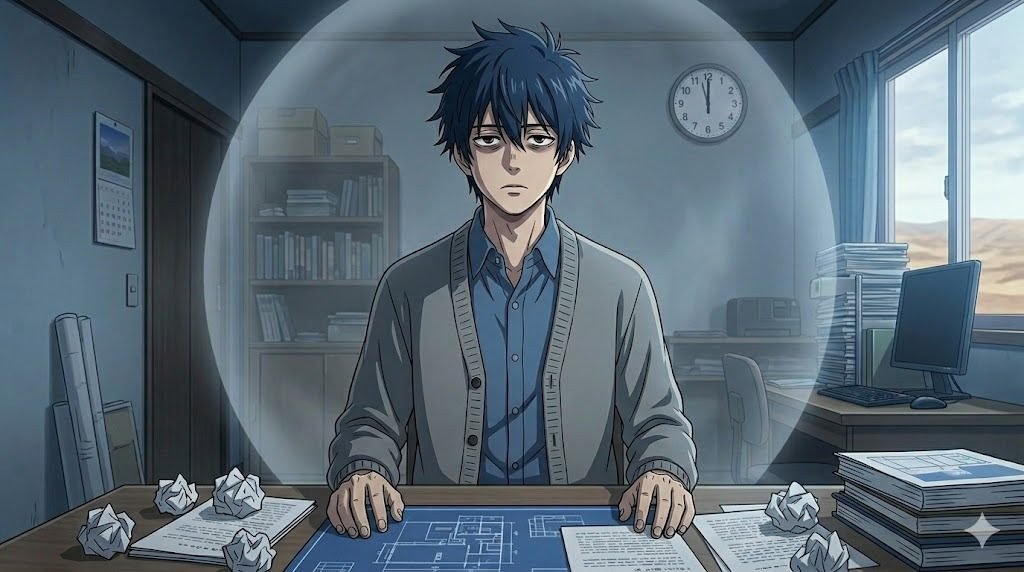
Your job or primary environment often sets the stage. Certain conditions create a tinderbox.
Feeling like you have little control over your work is a major contributor. So are unclear or constantly shifting expectations.
A chaotic, high-pressure setting wears you down. Monotonous tasks that offer no challenge can be just as draining.
Many people struggle with a lack of recognition. When your effort feels invisible, motivation evaporates.
Long hours without real breaks become the norm. There’s no time to relax and recharge.
For caregivers and those in rural community settings, these factors amplify. Geographic isolation means fewer support services.
Economic uncertainty adds another layer of stress. Being the only available helper multiplies your responsibilities.
These environmental pressures are real. They are not just in your head.
Lifestyle and Personality Contributors
Your personal traits and habits act as kindling. They determine how you respond to pressure.
Perfectionistic tendencies set a bar that’s impossible to meet. A pessimistic outlook expects the worst, draining your hope.
A high-achieving, Type A personality often refuses to slow down. The need to be in control makes delegation feel impossible.
You might take on too many responsibilities without asking for help. Saying “no” feels like a failure.
Outside of work, a lack of close relationships leaves you isolated. Sleep deprivation and poor nutrition weaken your foundation.
These are not character flaws. Often, the very traits that make you an excellent worker or devoted caregiver are the ones that leave you exposed.
The drive to do everything perfectly can be your greatest strength. Until it becomes the weight that pulls you under.
It’s a cruel irony. Your commitment sets you up for this deep drain.
So, what can you do with this knowledge? The goal isn’t to blame yourself or your job.
It’s to conduct a compassionate audit of your life. Ask yourself which factors are most active right now.
You might not be able to change your workplace culture overnight. But you can start to change your relationship to it.
You can implement small changes and set boundaries. Effective solutions must address both the external pressures and your internal responses.
This understanding is your map. It shows you where to focus your energy for real balance and sustainable health.
Unique Burnout Challenges: Isolation, Caregiving, and Rural Life
Picture a life where the nearest grocery store is a two-hour drive. You’re the only person your neighbor can call in an emergency.
For many, the road to a deep drain is paved with these realities. Isolation, relentless care, and unyielding rural demands create a perfect storm.
Your day isn’t just a to-do list. It’s a logistical marathon. You drive for hours to basic services.
You fill multiple roles because professionals aren’t nearby. The mental load of constant planning is a heavy task in itself.
Geographic isolation carries an emotional toll. You can feel utterly alone with your worry, even in a tight-knit community.
There’s no popping out for a casual coffee with a friend. The silence between towns can make stress echo louder.
Then there’s the immense, often invisible burden of unpaid care. You look after children, aging parents, or disabled family members.
Respite care is unavailable. There’s no backup. This role can quietly hollow you out from the inside.
Economic pressures add another layer. In farming, ranching, or fishing, your livelihood hangs in the balance of weather and markets.
This unpredictability creates a unique, grinding stress. A bad season isn’t just a setback. It’s a threat to your family’s home.
A powerful cultural norm compounds all these pressures. In many rural and traditional community settings, self-reliance is a badge of honor.
“Toughing it out” is seen as a strength. Asking for help can feel like admitting you’ve failed.
The very trait that makes you resilient—your ability to handle things alone—can become the trap that keeps you suffering in silence.
Frontline workers face this on top of everything else. A nurse serving a vast region battles professional burnout.
They also face the same logistical hurdles and limited local services. Their responsibilities stretch far beyond their job title.
If this resonates, please hear this. Experiencing burnout here isn’t a sign that you’re not strong enough.
It’s a sign you’re facing a set of systemic conditions that would strain anyone. Your struggle is valid.
The challenges are real:
- Physical distance from support and health services
- Juggling too many roles for your community
- Unpredictable economic stress
- The 24/7 weight of caregiving without relief
- A culture that sometimes mistakes suffering for strength
This perfect storm can lead to a profound crisis. It can feed feelings of depression and deep fatigue.
You might feel like you’re carrying a weight others don’t see. It can sap the joy from simple activities.
Knowing these unique factors is your power. It moves you from self-blame to a clear understanding.
It also guides us toward real solutions. The strategies for meaningful changes must work within these real-world constraints.
You don’t need to move to a city or abandon your life. Recovery is about building Resilience right where you are.
It starts with acknowledging that your mental health matters. Even when time feels scarce, people depend on you.
The next steps we discuss will be tailored for this. They offer a practical roadmap back to yourself, even from miles away.
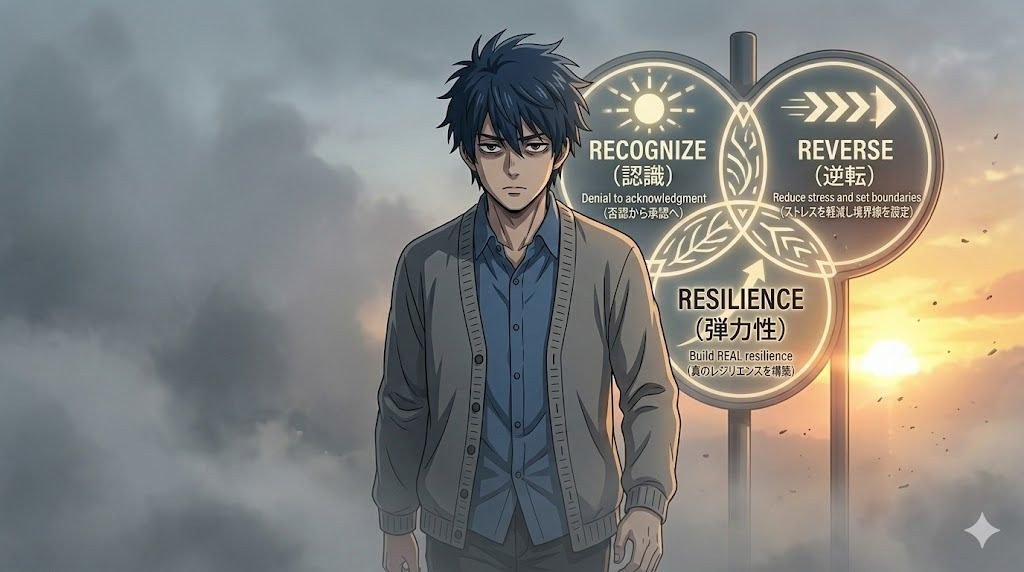
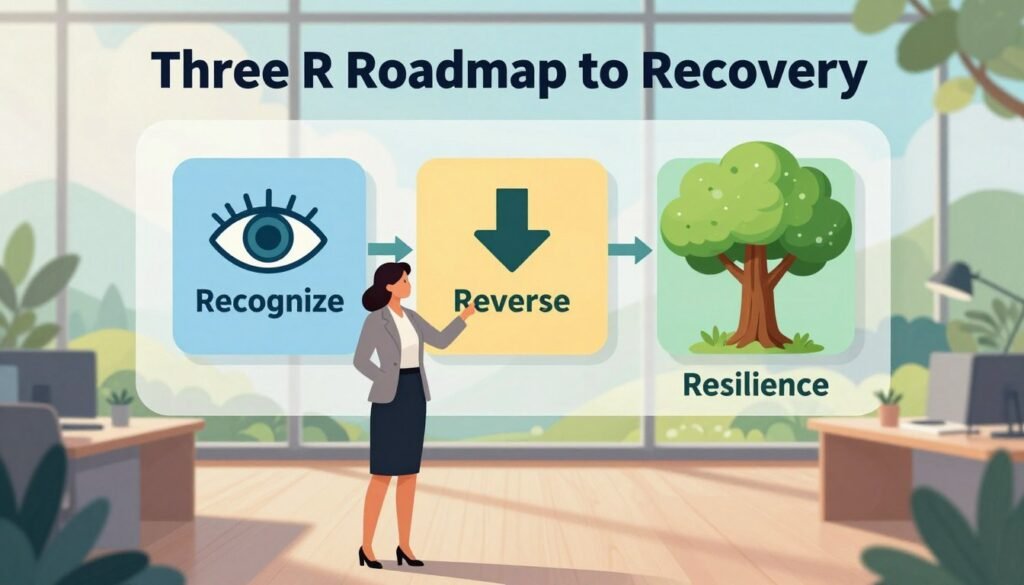
The “Three R” Roadmap to Recovery: Recognize, Reverse, Resilience
The ‘Three R’ framework turns overwhelming recovery into manageable, deliberate steps.
You now understand the signs and stages. You see the root causes. This knowledge is your power. But power needs direction.
Here is your simple map: Recognize, Reverse, Resilience. These three actions form a clear path out of the fog.
They are not a rigid sequence. Think of them as three overlapping circles. You can start with anyone, from wherever you are today.
Your first job isn’t to fix everything. It’s to Recognize. This means moving from denial to clear-eyed acknowledgment.
Name what you’re experiencing burnout for what it is. Do this without judgment. It’s not a personal failure. It’s a condition with clear causes.
This act alone creates momentum. It shifts you from being a passive victim to an active participant in your own recovery.
Next comes Reverse. This is the active phase of damage control. Your goal is to stop the downward spiral.
It involves seeking support and setting firm boundaries. You learn practical techniques to reduce stress.
This might mean delegating tasks at home or work. It could involve saying “no” to extra responsibilities.
For the dedicated worker or caregiver, Reverse might feel impossible. That’s why we start with Recognize. Admitting the problem makes the first small step possible.
Recovery is not about returning to who you were. It’s about building who you are becoming—more resilient, more aware, more balanced.
The final step is Resilience. This is the long game. It’s about rebuilding your foundation so you don’t fall back into the cycle.
You make sustainable lifestyle changes that fortify you. This protects your overall health and mental health.
Resilience means creating a life that can withstand pressure. It turns stress from a crisis into a manageable challenge.
Let’s break down this roadmap simply:
- Recognize: See the warning signs. Accept your reality. This is your starting point.
- Reverse: Seek help. Set limits. Implement strategies to halt the damage today.
- Resilience: Nourish your body and mind. Build habits that promote lasting strength and improve rest.
This framework directly responds to everything you’ve learned so far. Those early symptoms? Recognize them. The chronic stress stage? Reverse it.
The risk of depression? Resilience is your shield. It all connects.
You don’t have to tackle all three at once. Maybe today, you recognize. Tomorrow, you take one tiny action to Reverse.
Many people find they work on these areas simultaneously. The key is to begin.
The following sections will dive into practical strategies for each “R”. You’ll get concrete tools to put this map into practice.
You’ll learn how to reconnect with others. You’ll find ways to reframe your day. You’ll discover how to build boundaries that protect your time and energy.
Your journey to recover from burnout starts with this understanding. You have a plan. Now, let’s take the first step together.
Immediate Relief Strategies: How to Start Feeling Better Now
Immediate relief isn’t about grand gestures. It’s about the tiny, intentional actions you weave into your existing routine.
You can’t always change your entire life overnight. But you can create small air openings today. These strategies are your first-aid kit.

They are designed to reduce stress and create breathing room. This makes space for the deeper resilience work to come.
Pick one. Just one. Start there.
Reconnect with Your Support System
Isolation feeds the fire of burnout. Connection is your natural antidote.
Even a small social interaction can be a lifeline. It calms your nervous system. It reminds you that you’re not alone.
Your support system might look different from what you think. It’s not about having a huge crowd.
It’s about the people who listen. Start simple.
- Send a text to a friend you haven’t spoken to in a while.
- Accept a neighbor’s offer to help with a small task.
- Join an online community related to your interests.
If guilt creeps in, reframe it. Asking for support is an investment. It fuels your ability to keep showing up for others.
Your mental health matters. Connection is a core part of your care.
Reframe Your Relationship with Work
Your work might feel like the source of your drain. You can’t always leave your job right now.
But you can change how you relate to it. Look for slivers of meaning or control.
Focus on one small aspect. How does your role help a colleague or customer? Connect with one person you enjoy talking to.
Setting boundaries is a powerful form of reframing. It reclaims your time.
Start with a micro-boundary. It doesn’t have to be huge.
- “I will not check email after 6 PM.”
- “I will delegate one minor task this week.”
- “I will take a full lunch break away from my desk.”
These acts send a signal to your brain. You are in charge of your day. This can shift your entire perspective.
Prioritize Micro-Moments of Rest
Rest isn’t just a week at the beach. It’s the intentional pauses you build into your day.
We call these micro-moments. They are portable and free. They improve rest by teaching your body to downshift.
Weave them into what you already do.
- Take three deep breaths before starting your truck.
- Savor your morning coffee without looking at your phone.
- Look at the sky for one full minute.
Your breath is an anchor you always have with you. Use it to steady yourself when the world feels chaotic.
Let’s practice a simple deep breathing technique right now. Breathe in slowly for a count of four. Hold for a count of four. Breathe out slowly for a count of six.
Do this just three times. Feel the shift.
If these steps feel trivial, that’s okay. When you’re experiencing burnout, everything can feel pointless.
Start with one action today. Prove to yourself that a small change can create a small shift. This is how you begin to recover from burnout.
These are your first-aid tactics. They create the calm needed for lasting changes.
Building Long-Term Resilience: Lifestyle Changes for Sustainable Health
True recovery is not about surviving the next crisis. It’s about building a foundation so strong that stress cannot knock you down.
This phase shifts from emergency fixes to sustainable rebuilding. We focus on four pillars: movement, nutrition, sleep, and digital boundaries.
Think of these not as another exhausting to-do list. They are foundational investments. They make everything else in your life feel more manageable.
You can start small. Consistency in tiny doses beats occasional perfection. Let’s explore how to fortify your body and mind.
Moving Your Body to Manage Stress
Forget the idea that you need a gym or an intense workout. Accessible, rhythmic movement is your goal.
Aim for 30 minutes daily. Short 10-minute bursts work wonders too. This activity lifts your mood and increases energy.
Walking, running, or dancing are excellent choices. Even splitting wood or gardening counts. Rhythmic motion helps regulate your body’s stress hormones.
It clears your mind and relaxes your body. This can directly reduce stress and ease physical tension.
When time feels scarce, start with a five-minute walk. Prove to yourself that a small change creates a shift.
Moving consistently builds a body that can withstand pressure. It’s a core part of your health strategy.
Nourishing Your Mind with Better Nutrition
What you eat fuels your brain as much as your body. Simple swaps can stabilize your mood and energy.
Minimize sugar and refined carbs. They cause energy crashes that worsen fatigue. Choose complex carbs like oats or sweet potatoes instead.
Reduce caffeine and unhealthy fats. Be mindful of alcohol intake. Drink in moderation, as it can disrupt sleep and mood.
Incorporate Omega-3 fatty acids. They support brain function. Good sources include walnuts, flaxseed, and canned fish like salmon.
These are often easy to find locally. Drinking more water is another simple, powerful step.
Better nutrition helps your mind stay clear. It supports your overall mental health during recovery from burnout.
Your plate is a daily opportunity to nourish your nervous system. Choose foods that build stability, not spikes.
The Non-Negotiables: Sleep and Digital Boundaries
These two areas are critical to recovery in medicine. Protecting them is not selfish. It’s essential.
Sleep repairs your brain and body. Getting plenty of it prevents irrational thinking from fatigue.
Set a consistent bedtime, even with shift work or caregiving duties. Keep a notepad by your bed to jot down racing thoughts.
This simple trick can quiet a busy mind. Every extra 15 minutes counts toward improving rest.
Digital boundaries protect your peace. Constant connectivity creates unique stress, especially in isolated areas.
Set a specific time each day to disconnect. Turn off laptops, phones, and email notifications.
Create tech-free zones in your home, like the bedroom. This prevents a 24/7 cycle of work and news overload.
These boundaries reclaim your attention. They give your mind the space it truly needs to rest.
We know the obstacles: time, energy, and access. Start with the “bare minimum” version of each pillar.
A five-minute walk. Drinking more water. Fifteen minutes of extra sleep. A thirty-minute screen curfew.
Self-compassion is key when you miss a day. Your goal is progress, not perfection.
These changes connect directly to feeling better. They can reduce headaches and muscle tension.
They improve mental clarity. They build a you that can handle responsibilities without burning out.
This is how you create sustainable health. You lay a foundation for a more resilient life.
When and How to Seek Professional Help
When self-help strategies feel like whispers against a storm, it’s time to call in reinforcements.
Asking for expert guidance is a wise, proactive choice. It’s like seeing a doctor for a persistent physical ailment. This step is not a last resort or an admission of defeat.
It is a strategic move for your well-being. Professional help provides clarity and tools you might not find on your own.
Let’s explore when to reach out and how modern health care can meet you right where you are.
Signs It’s Time to Talk to a Professional
Your own efforts are vital. But some signals tell you it’s time to bring in a specialist.
Pay attention if your symptoms stick around for weeks without getting better. This is a key sign.
Consider reaching out when your daily functioning is impaired. Maybe you can’t perform basic tasks at home or work.
Using alcohol or drugs to cope is a clear red flag. Thoughts of self-harm demand immediate attention.
If anxiety or depression symptoms are strong, a professional can help untangle them. Relationship suffering is another signal.
Here are unambiguous signs it’s time:
- Self-care isn’t making a dent in how you feel.
- You’re relying on substances to get through the day.
- Simple activities feel impossible to start.
- Hopelessness or deep sadness colors everything.
Recognizing these signs is an act of Courage. It protects your ability to contribute to your community and life.
Overcoming Barriers with Telepsychiatry and Accessible Care
For many, especially in rural areas, getting help feels blocked by distance and logistics. Stigma in tight-knit communities can also be a wall.
Please hear this. Seeking support is a strength. It safeguards you and your capacity to care for others.
Asking for help isn’t a surrender. It’s a strategic redeployment of your resources.
Telepsychiatry is a game-changer for access. Through secure video appointments, you connect with a therapist or psychiatrist from your own home.
No driving for hours. No, taking a whole day off. No complex childcare arrangements.
Research shows that his remote care is as effective as in-person visits. It even leads to lower hospitalization rates for some conditions.
This builds trust in the quality of remote health care.
Ready to get started? Here’s a simple path:
- Talk to your primary care doctor for a referral.
- Search online for providers specializing in burnout.
- Look for those who understand the lifestyles of rural or high-demand workers.
- Schedule a brief consultation to see if it’s a good fit.
A first appointment usually involves discussing your history and goals. It’s a collaborative space, not a place where you’re “fixed.”
Professional support offers an accurate diagnosis. It can untangle burnout from clinical depression or other medical conditions.
You gain a personalized treatment plan. This may include therapy, medication management if needed, and ongoing guidance.
You learn tools and insights to lead your own recovery from burnout journey. This builds Resilience against future crisis moments.
You can take this step from your own home today. Your journey to healing doesn’t require a long road. It just requires a connection.
Conclusion: Your Journey to Healing Starts Today
Healing begins the moment you decide to stop simply enduring and start actively rebuilding. You’ve shown real strength by seeking understanding. That act itself is a powerful step.
Burnout is not a permanent state. With the right support and targeted changes, you can recover your energy and hope. Recovery time varies, but progress is possible.
Pick one small action from this guide. Text a friend. Schedule a consultation. Take five minutes for deep breathing. Do it today.
Some days will feel harder. You now have tools to navigate them without falling back. Remember, reaching for help is a sign of wisdom, not weakness.
Your path to reclaiming your joy and sense of self starts with the decision you make right now. You don’t have to figure this out alone.