
 Mono Roso
Your dopamine system—the brain’s motivation engine—has been hijacked. Not by weakness. Not by lack of willpower. By design. Apps, content, and constant stimulation have rewired your brain to seek quick rewards over lasting effort.
Dopamine is key to finding pleasure and driving us to seek more. But when it’s affected by bad habits or technology, it leads us astray. Now, your brain has a hard time focusing because it’s after fake rewards rather than real ones.
Think of dopamine as your wanting system. It’s about the drive toward a goal, not the satisfaction of reaching it. “Dopamine is about wanting, not about having.” This is important. Your dopamine system is always on the lookout for the next thing to notice, the next scroll, the next hit.
This article explains how dopamine works in simple terms. You’ll learn why your brain has trouble focusing and why you’re addicted to constant stimulation. Most importantly, you’ll learn how to reset your sensitivity and regain your concentration and motivation.
You’re not broken. Your dopamine system is just stuck in a loop. Let’s break it together.
Key Takeaways
- Dopamine drives wanting and motivation, not pleasure itself, shaping how your brain prioritizes goals and rewards.
- Chronic stimulation from technology and substance use rewires your reward system to crave quick hits over sustained effort.
- When dopamine sensitivity drops, you lose motivation for healthy activities and chase stronger artificial stimulation instead.
- Your brain can recover through strategic dopamine management and behavioral changes, not willpower alone.
- A dopamine reset typically takes 90 days, but results depend on your baseline and lifestyle adjustments.
- The neuroscience is clear: your system can be recalibrated through understanding and actionable strategies.
Understanding Dopamine’s Role in Motivation and Addiction
Your brain uses chemicals to send messages. These messages control what you do, think, and feel. Dopamine is a key neurotransmitter that supports movement, motivation, emotions, and pleasure.
Dopamine isn’t about happiness. It’s about wanting. When dopamine is high, you focus on goals and want to achieve them. Your brain gets excited before you get the reward, not after.
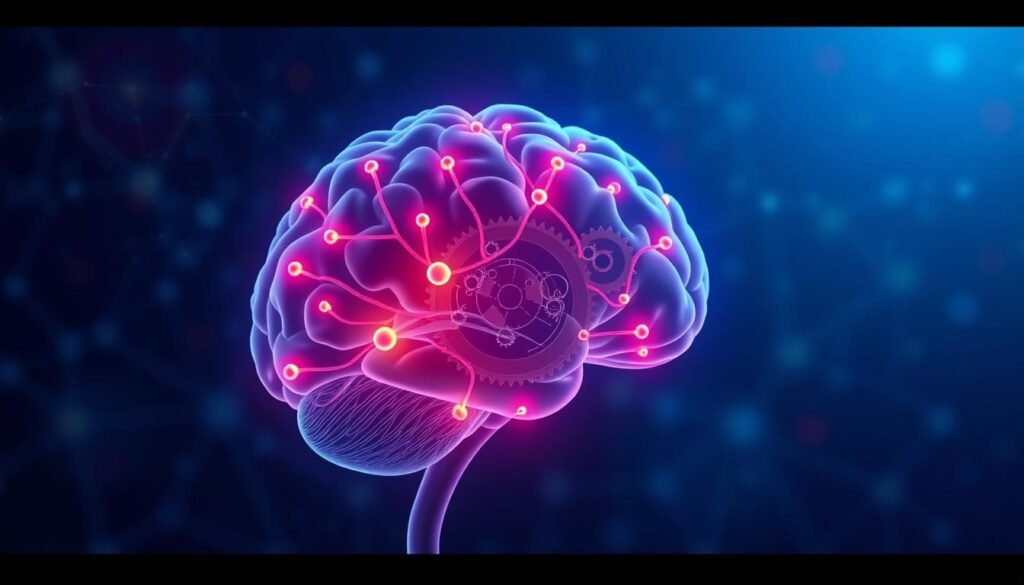
Dopamine and satisfaction are different. Dopamine boosts motivation and focus on goals. Serotonin, on the other hand, is about feeling good about what you have.
How Dopamine Drives Wanting Instead of Having
Modern tech uses dopamine to keep you hooked. A notification pops up, and your dopamine spikes. You scroll for more, but the reward often doesn’t live up to the hype.
This creates a cycle:
- You expect a reward from a notification
- Dopamine rises before you see what it is
- The actual content disappoints
- You feel compelled to search for the next one
Your brain doesn’t learn to stop. It keeps hoping for better. This is the trap of wanting without having.
The Brain’s Reward System and Behavioral Reinforcement
Your brain rewards repetition. Dopamine sends messages that strengthen neural pathways. This makes you want to repeat actions.
Behavioral reinforcement works quietly:
- You act (check email, open social media)
- Dopamine release in anticipation
- The behavior gets linked to a reward in your brain
- The urge to repeat becomes automatic
This isn’t a weakness. It’s how your brain works. Repetition trains your brain. You feel overstimulated yet unsatisfied.
The key insight: You’re chasing dopamine, not satisfaction. Knowing this is the first step to change.
The Science Behind Dopamine Supersensitivity
Your brain is amazing, but it can also get stuck. When you keep using substances or compulsive behaviors, it changes. These changes might seem good at first, but they can actually harm you.
Studies show that long-term use of certain medications can make your brain more sensitive. This is because there are more D2 receptors, which are like locks for dopamine. Your brain wants more dopamine, so it makes more room for it.
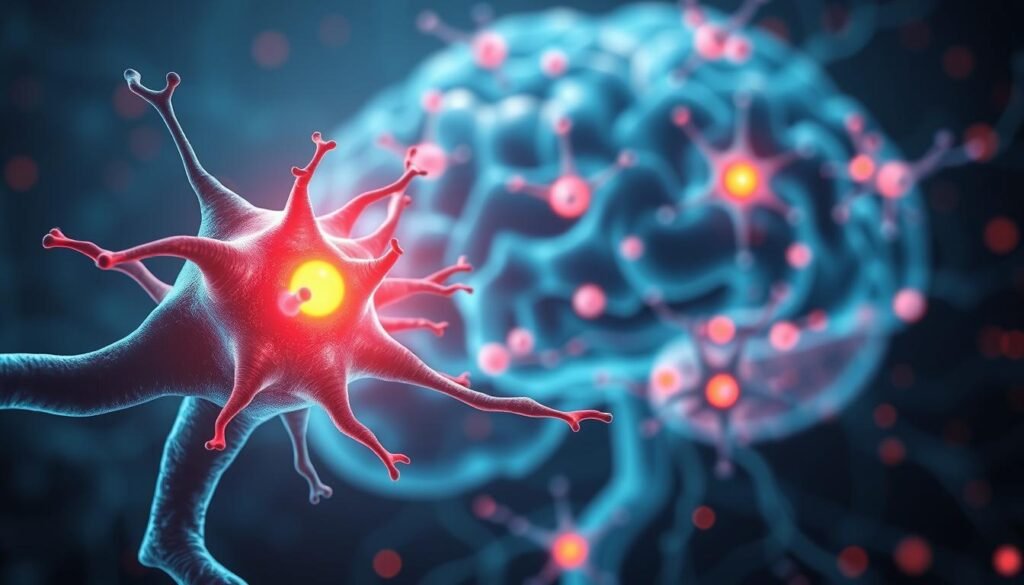
But it gets even more complex. The number of D2 receptors that can grab dopamine increases a lot. This means your brain is super sensitive to dopamine signals. It’s like your brain is craving dopamine more than ever.
When you stop using these substances, your brain feels really hungry. It has more receptors but fewer dopamine molecules. This is why you might feel intense cravings and emotional crashes.
A study found that your brain can adapt to treatments too well. It starts to work around the blockades. This is why what worked before might not work anymore. Your brain keeps adapting, leading to tolerance.
- Your brain isn’t broken—it’s doing exactly what it’s designed to do
- Adaptation happens at the receptor level, not through willpower
- Recovery requires patience while your brain physically remodels itself back toward baseline sensitivity
Knowing this science takes away shame. You’re not weak. Your brain is just working against you right now. This changes how you see recovery.
How Chronic Stimulation Creates Dopamine Dysfunction
Your brain rewards you for survival. Eating, socializing, and exercising all trigger dopamine. These rewards helped our ancestors survive. But today, your brain is exposed to new, unnatural stimulation.
First, something rewarding floods your brain with dopamine. This chemical makes you feel good and want more. But seeking the same reward over and over changes your brain.
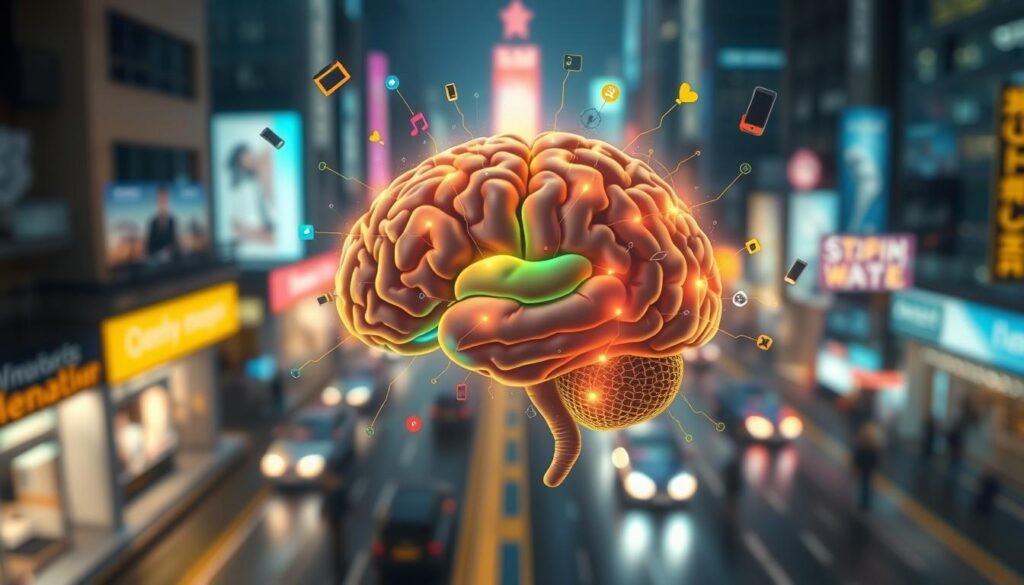
Too much dopamine from screens, social media, and games can also harm your brain. At first, these activities feel enjoyable. But soon, they become essential and then compulsive.
From Substance Use to Screen Addiction
Substance and screen addiction share the same brain pathways. Both lead to intense dopamine spikes and repeated seeking. Even technology and eating can affect dopamine levels, showing it’s not just about drugs.
- Initial use feels rewarding and controllable
- .Frequency increases as tolerance builds
- Enjoyment fades, but compulsion strengthens
- Other activities lose their appeal
Your brain adapts to the strongest stimulus. Screens offer dopamine hits that real life can’t match, making everything else seem dull.
The Progressive Loss of Natural Reward Sensitivity
Here’s where the damage really sets in. People lose interest in activities they once enjoyed. Your brain has changed its baseline.
Low dopamine makes you feel unmotivated and tired. Your dopamine receptors become less responsive to normal rewards. You’re not broken; you’re just recalibrated.
The good news is that you can reverse this. Stop the chronic stimulation, and your sensitivity will return. Your brain can heal. Activities that once brought joy will feel rich again. First, you must break the cycle.
Dopamine Detox for Focus, Breaking Behavioral Loops
A dopamine detox isn’t about punishment. It’s about recalibration. Your brain has learned to chase stimulation like it’s hungry. Every notification, swipe, and scroll pulls you into a loop that’s no longer pleasurable but compulsive. Breaking free means identifying what holds you and stepping away, even when it feels hard.
The behaviors that consume your attention are key to examine first. These are the activities you do automatically, even if they’ve lost their joy:
- Social media platforms consume hours daily
- Streaming services and endless content loops
- Gaming and interactive entertainment
- Compulsive shopping or browsing online
- Excessive exercise used as an escape

The goal isn’t to give up these activities forever. You’re aiming for a reset period. During this time, dopamine works differently with your visual system. Removing high-stimulation triggers makes focusing easier. You rebuild your capacity for everyday rewards.
This reset works by removing triggers that overwhelm your brain. By doing so, your brain’s regulatory systems can recover. Focusing on meaningful tasks—like work, learning, or self-care—helps maintain focus. This is because dopamine, epinephrine, and other chemicals are recruited. The concept of spotlighting helps you stay ready and focused.
Replace compulsive behaviors with better ones:
- Identify one high-dopamine behavior to eliminate first
- Plan specific replacement activities requiring intention
- Restructure your environment to support success
- Accept discomfort as evidence of change
The first phase feels uncomfortable. That’s the point. Discomfort signals your supersensitivity recalibrating. This feeling is temporary but necessary. It shows the process is working.
The Timeline for Dopamine Receptor Recovery
Your brain didn’t break overnight. It won’t heal overnight either. The journey to get your focus and pleasure back starts with knowing how long it takes. It usually takes about 90 days to see a difference in pleasure and dopamine levels.
This isn’t a magic number—it’s a realistic time frame. It’s when your brain starts to rebuild its pathways. The first 90 days are when you’ll start to notice improvements in how your brain handles rewards and motivation.
Think of dopamine recovery like rebuilding muscle after injury. You can’t rush it. Your receptors need time to get used to not being overstimulated. Your brain needs time to learn to find joy in simple things again.
Factors Affecting Your Personal Reset Duration
Your 90-day timeline isn’t the same for everyone. Several factors can change how quickly you recover. Knowing what affects your recovery helps you set realistic goals and avoid getting frustrated.
- Duration of use: Years of overstimulation need longer recovery than months. Your brain adapted over time—it needs time to readapt.
- Which substances or behaviors: Gaming plus social media plus caffeine hits differently than one single habit. Multiple high-dopamine behaviors create compound dysregulation.
- Frequency of use: Daily stimulation requires more recovery than occasional use. Your brain’s tolerance levels built up in response to constant triggers.
- Age: Younger brains possess more neuroplasticity and typically recover faster. They’re also more vulnerable to dysregulation in the first place.
- Pre-existing dopamine deficiencies: If you had ADHD or depression before the overstimulation, recovery gets complicated. Your baseline dopamine levels were already compromised.
- Other mental illnesses: Anxiety, bipolar disorder, or trauma layer complexity onto your dopamine reset journey.
Baseline dopamine levels are influenced by genetics, behaviors, sleep, nutrition, and dopamine levels experienced on previous days. This means your recovery isn’t just about stopping the behavior—it’s about building better patterns. Sleep quality matters. Nutrition matters. Movement matters. Your genetics set the foundation, but your choices shape the timeline.
What to Expect in the First 90 Days
The next three months won’t feel linear. You’ll move through distinct phases, each bringing different challenges and small victories.
- Week One: Withdrawal kicks hard. You feel restless, irritable, and unfocused. Your brain screams for the stimulation it’s adapted to expect. This intensity peaks now.
- Weeks Two to Four: The valley arrives. You’re past acute discomfort, but benefits feel distant. Everything seems dull and flat. This is when most people quit. Push through.
- Weeks Five to Eight: Glimpses emerge. Focus becomes easier for brief stretches. Simple pleasures register again. These moments feel rare at first, then lengthen.
- Weeks Nine to Twelve: Real change surfaces. You concentrate longer. Books hold attention. Conversations engage you. You’re not “fixed,” but you’re recalibrating toward sustainable dopamine levels.
Patience isn’t optional. It’s the entire strategy. Your brain is learning to find reward in effort, in presence, in being—not just in stimulation.
Evidence-Based Strategies to Reset Your Dopamine Baseline
You’re ready to rebuild. Your dopamine system didn’t break overnight, and it won’t heal overnight either. Knowing which actions actually work is key. The strategies below are based on neuroscience and help establish a healthy baseline dopamine level without requiring willpower.
Think of your dopamine baseline like a thermostat. Right now, it’s set too high from constant stimulation. These tools help reduce that setback so normal life feels rewarding again.
Start Your Day with Light
Viewing early-morning sunlight for 10-30 minutes daily boosts dopamine levels and gene expression of dopamine receptors. This isn’t about supplements or complicated routines. Just step outside and let the light hit your eyes. Your brain responds immediately.
Do this within the first hour of waking. The timing is key. Early light exposure sets your circadian rhythm and kickstarts your dopamine system for the day.
Use Cold to Your Advantage
A 1-3-minute cold shower dramatically increases baseline dopamine levels for hours. Yes, it’s uncomfortable. That discomfort is the point. Your nervous system adapts, and your dopamine surges in response.
You don’t need ice baths. A cold shower works. Start with 30 seconds if you’re new to this. Your brain naturally releases dopamine as it adjusts to the challenge.
Eat to Build Dopamine
Food matters more than you think. Eating tyrosine-rich foods like red meat, nuts, and hard-fermented cheese gives your brain the building blocks it needs. Tyrosine is an amino acid building block of dopamine. Your body can’t manufacture dopamine without it.
- Red meats (beef, lamb)
- Nuts and seeds (almonds, pumpkin seeds)
- Hard fermented cheese (aged cheddar, parmesan)
- Eggs and poultry
Pair these with a perfect sleep schedule and an improved diet with vitamin- and mineral-rich foods. Your baseline dopamine depends on consistent nutrition.
Protect Your Nights
Avoiding bright lights between 10 p and -4 am is essential. Late-night light exposure activates the habenula, a brain region that drastically reduces circulating dopamine. One late-night doom-scrolling session can tank your dopamine for the next day.
Use blue light filters. Dim your phone. Keep your bedroom dark. Avoiding melatonin supplements also matters—they can decrease dopamine levels when you’re trying to rebuild.
Caffeine Strategy
Ingesting caffeine 100-400mg gives you a mild dopamine increase and increases dopamine receptor availability. The keyword is strategy. Use it purposefully, not constantly.
Take caffeine in the morning or early afternoon. Avoid it after 2 p,m so it doesn’t sabotage your sleep. Moderate use enhances your dopamine receptors without creating new dependencies.
Movement Resets Everything
Exercise is mandatory. Your brain naturally releases dopamine during and after movement. You don’t need intense gym sessions. Walking works. Consistent daily movement is one of the most reliable ways to maintain a healthy baseline dopamine.
Create exciting daily routines that include non-negotiable movement. A morning walk. An afternoon stretch. Evening activity. Your body and brain reward consistency.
Build Structure and Meaning
Your nervous system craves predictability. Create exciting daily routines that provide both structure and small wins. Include time for practicing mindfulness or meditation. Listen to music that energizes you. Read something new. Connect with someone.
These aren’t luxuries. They’re dopamine fuel. Your brain needs novelty to stay engaged and routine to feel safe.
“These strategies aren’t about chasing peak performance. They’re about building a foundation where your brain has the neurochemical resources to sustain attention and effort without constantly seeking escape.”
You’re not trying to become superhuman. You’re trying to become yourself again—the version that finds satisfaction in meaningful work, genuine connection, and quiet accomplishment.
Managing Dopamine Peaks for Sustained Motivation
Millions of people stay engaged in activities, some good, some not. The key is managing dopamine peaks and rewards. This section explains how to keep motivation going for your goals, so that it doesn’t fade.
The Power of Intermittent Reward Timing
Think of a slot machine. People keep playing for hours, hoping for a win. It’s not just weakness—it’s science. Randomly Intermittent Reward Timing makes your brain crave more, and casinos know it.
You can use this trick for good. Celebrate your wins, but not every time. Sometimes, enjoy the effort. This keeps you motivated and focused.
Make a big change: link winning to the effort, not just the result. Your brain doesn’t see external rewards as different from feeling good about progress. Telling yourself you’re moving toward your goals boosts dopamine. Your brain’s top layer controls this response.
- Celebrate randomly, not consistently.
- Focus on the work itself, not just completion
- Use unpredictability to maintain engagement
- Frame effort as advancement toward goals
Avoiding the Dopamine Stacking Trap
Too many dopamine sources at once can kill motivation. Think of preworkout drinks, coffee, music, social pressure, and treats all at once. The crash afterward is hard to recover from.
Dopamine is personal—your brain only sees the connection between events and feelings. It gets used to certain patterns. So, mix things up.
- Some days, work out with music; other days, silence
- Alternate between caffeine and caffeine-free sessions
- Mix solo efforts with group accountability
- Skip the reward sometimes; let effort alone feel like progress
Your prefrontal cortex is key. Telling yourself you’re making progress boosts dopamine. Keep rewards unpredictable, vary dopamine sources, and focus on the journey. This builds lasting motivation.
Conclusion
You now know how dopamine works and the focus traps it creates. You understand why your brain finds it hard to settle. Now, it’s time to take action.
Resetting your dopamine system isn’t about being perfect. It’s about making small changes in your daily life. This includes managing your environment and supporting your baseline with light, sleep, nutrition, and movement.
The discomfort you feel during a reset isn’t failure. It’s your nervous system adjusting. The boredom and restlessness you feel are signs of your brain healing.
Your brain is working as it should. The emptiness when screens go dark is progress. The urge to check your phone is your brain waking up to its true baseline.
Self-compassion is key during this time. Allow yourself to feel uncomfortable as you rewire your brain.
Focus and self-control aren’t about willpower. They’re about how your brain works. Give it what it needs, like less stimulation and more natural rewards, and it will improve.
The loops can be broken. Your dopamine system can be reset. Your focus can be reclaimed. Start today, even if it’s not perfect. Just start.