 Mono Roso
Imagine standing in your kitchen, staring at a cold cup of coffee. It feels like the world you knew yesterday has changed. You’re not alone in this feeling. Many of us have felt like this, wondering how to find our footing when everything feels unstable.
Life often moves in cycles. This is called the hedonic treadmill, in which we return to a stable happiness baseline after major life events. Even though it feels like you’re stuck, this cycle is a powerful tool for recovery.
The journey forward isn’t always straight. Instead, it’s filled with turns that can be new beginnings. Your current struggle is a common human experience, not a permanent state. By recognizing this, you start the important work of bouncing back after a crisis. You’re not just going back to who you were; you’re growing into who you’re becoming.
Understanding the Anatomy of a Crisis
When life changes suddenly, it can feel like the ground has vanished. This section explores modern psychological mechanisms to help you understand why change feels so disorienting. By examining the psychology behind these moments, you can see your experience as manageable rather than overwhelming.

Recognizing the Psychological Impact of Sudden Change
Sudden life shifts can trigger a deep sense of instability. You might feel like your internal compass is spinning, making it hard to process the trauma of the moment. This is a natural response, not a sign of personal failure.
Hedonic adaptation plays a big role here. It’s the mechanism that reduces the emotional impact of big events over time. Even though it feels like your pain will last forever, your brain will eventually adjust to a new baseline.
The Difference Between Stagnation and Recovery
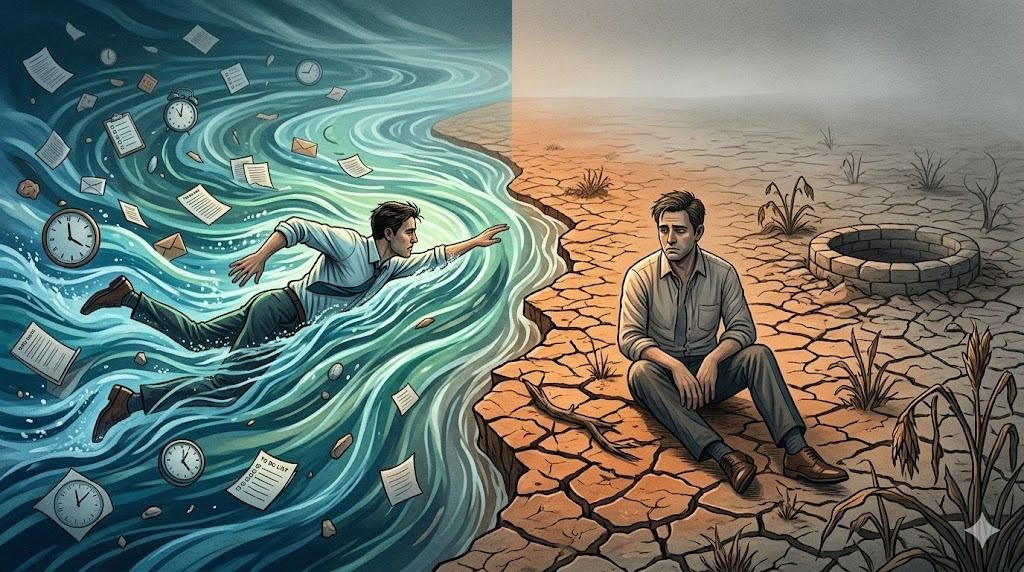
It’s important to know the difference between being stuck and moving forward. Stagnation feels like a heavy, static weight, where you’re trapped in the past. On the other hand, recovery is an active, intentional process of rebuilding.
To regain balance, you need to recognize the signs of each state:
- Stagnation: A tendency to ruminate on what was lost without taking action.
- Recovery: A willingness to accept the current reality while setting small, achievable goals.
- Stagnation: Feeling isolated and believing that your situation is permanent.
- Recovery: Seeking connection and viewing challenges as temporary hurdles.
Choosing the path of recovery lets you reclaim your agency. By understanding these patterns, you move from passive suffering to active growth.
Essential Psychological Resilience Techniques for Bouncing Back After Crisis
When life seems to fall apart, you need tools to get back on track. Psychological resilience techniques are real methods for dealing with tough times. They help you see that resilience is about adapting positively.

Cognitive Reframing as a Foundation for Growth
Your view of struggles shapes your future. Building resilience means seeing challenges as temporary, not permanent failures. This shift helps uncover lessons in your pain.
By not seeing every setback as a loss, you open up to meaningful growth. This shift in resilience psychology turns shock into an opportunity for progress. You’re not just surviving; you’re shaping your future.
Developing Emotional Regulation Skills
Emotional regulation keeps you steady in chaos. It’s about knowing your feelings without letting them control you. Mastering these skills lets you stay calm under pressure.
Practicing Mindfulness During High-Stress Moments
Mindfulness is key in psychology for staying present. When stress rises, your mind might jump to the worst—taking a few deep breaths or focusing on the present can stop panic.
You don’t need long meditation sessions for benefits. Just being in the moment can calm your nervous system. This intentional pause helps you react wisely, not impulsively.
Journaling for Clarity and Perspective
Writing down your thoughts mirrors your mind. It makes fears and goals clearer. Journaling gives you a fresh view of your situation.
Keep a journal to track small victories and patterns. This habit creates a clearer narrative of your journey. Over time, you’ll see that you can overcome more than you thought.
Step One: Assessing Your Current Mental Landscape
Radical honesty is the quiet foundation for lasting change. You can’t move forward without knowing where you start. By looking inward, you gain clarity to move with purpose.
Conducting an Honest Self-Inventory
Begin by asking yourself where you stand today. This process needs you to be completely transparent with your experiences. It’s not about judging, but about understanding your inner world.
When you focus on your mental health, you open up to growth. Write down your feelings without trying to fix them right away. Just acknowledging them is a kind act towards yourself.

Identifying Triggers and Limiting Beliefs
Every struggle comes from patterns we’ve developed over time. You must learn to recognize when your internal alarm bells sound. These triggers need your attention, not avoidance.
Limiting beliefs act like invisible walls, keeping you in old cycles. By spotting these thoughts, you start the healing process. You deserve to understand your reactions so you can choose a new path.
Mapping Out Your Emotional Response Patterns
Take time to track how you react to stress. Do you pull back, get angry, or freeze? Mapping these patterns helps you understand your mind.
Seeing the cycle lets you break it. This intentional awareness is key to lasting healing. Now, you have the data to build a more stable future.
Step Two: Establishing Small Wins to Rebuild Momentum
Momentum comes from small, consistent actions, not big ones. When you’re in recovery, the future can feel overwhelming. Focus on the present to feel in control again.
The Power of Micro-Goals in Recovery
The Hedonic Adaptation Prevention model shows that small actions can keep you feeling good. Instead of big goals, aim for micro-goals. These tasks are so easy you can’t fail.
Doing something small, like making your bed or drinking water, releases dopamine. This makes you feel good and builds confidence. Success breeds success, even with small steps.
Creating a Sustainable Daily Routine
A daily routine is like an anchor in twellbeings. It gives you stability for your well-being. You don’t need a strict schedule, just a steady rhythm.
Begin with two or three daily anchor points, such as a morning stretch or an evening reflection. These moments keep you grounded. Over time, they create a safety net for your emotional health.
Prioritizing Self-Care as a Non-Negotiable Task
Self-care is often the first thing we cut when well-being gets hard. Yet it’s key to our well-being. Treat your basic needs—rest, Food, and exercise—as must-do tasks. Without self-care, you’ll run out of energy to heal.
Compassion for yourself is essential, not a luxury. Protecting your time and energy lets you handle life’s ups and downs. Remember, you’re the most important project you’ll ever work on.
Step Three: Cultivating a Growth-Oriented Mindset
Genetics may influence your happiness level, but your daily choices shape your future. Studies show that 30% to 40% of our happiness is biological. Yet, the rest is up to you. By adopting a growth-oriented mindset, you can overcome life’s challenges.
Shifting from Victimhood to Agency
It’s easy to feel like a passenger when life surprises us. But taking control starts with changing your mindset. Instead of asking “Why is this happening to me?”, ask “What can I do with this?” This change from feeling like a victim to having personal agency is key to moving forward.
Your past or current challenges do not define you. By recognizing your ability to change, you stop waiting for things to get better. You start to shape your reality through small, intentional steps actively.
Reframing Failure as Data for Future Success
We often see failure as a sign of our worthlessness, but it’s just valuable information. Viewing a setback as data helps you avoid getting stuck in negative emotions. This approach lets you analyze what went wrong without self-criticism.
Every mistake teaches you something that brings you closer to your goals. By seeing these moments as steps toward long-term success, you turn obstacles into opportunities. This mindset is key to keeping momentum when the journey seems tough.
Learning to Pivot Without Losing Your Core Purpose
Being flexible is important, but it must align with your goals. You can change your approach, environment, or schedule without losing sight of your core values. Think of your purpose as your anchor and your actions as the sails that catch the wind.
When you pivot, you’re not giving up; you’re finding a better way to reach your goal. Staying true to your “why” makes your growth meaningful. Even when you need to change direction, your core identity remains strong.
Step Four: Building a Support System for Long-Term Balance
True strength comes from asking for help when life gets tough. You don’t have to face challenges alone. Building a support system is key to finding lasting stability.
The Role of Community in Healing
Having friends and family around you is like having a safety net. It helps you regain balance after tough times. Sharing your story with others shows well-being, not alone, which is vital for your well-being.
Community reflects your progress and offers new views when things seem unclear. Whether it’s a support group, a close friend, or family, these connections build resilience. They remind you of a strong foundation to stand on, even when life gets complicated.
Knowing When to Seek Professional Guidance
Carrying the weight of trauma alone can be too much. If daily life is hard to manage, it’s time to seek help. Getting therapy or counseling is not a sign of weakness. It’s a proactive strategy for your mental health.
Consider professional help if you see these signs:
- Persistent feelings of hopelessness or exhaustion.
- Difficulty managing daily tasks or responsibilities.
- A sense of being stuck in a cycle of negative thoughts.
- There is a need for specialized tools to process past events. Well-being Boundaries to Protect Your Mental Well-being
As you strive for balance, protecting your energy is essential. Setting clear boundaries helps keep your focus on your growth. You have the right to say no to things that drain your energy to heal.
Think of boundaries as a protective fence around your inner garden. By keeping out unnecessary stress, your resilience can grow. Remember, taking care of your needs is a necessary step to keep moving forward.
Conclusion
You have the power to get your mind clear and move forward with purpose. Your journey is unique, and every step you take is a win.
Using these strategies, you can overcome challenges and lead a life filled with kindness and well-being. True progress comes when you start making your own way, not when you wait for the perfect time.
Be kind to yourself as you keep moving forward. Your ability to bounce back gets stronger with each choice you make today.
Share your journey with others who are looking to grow. Your story could be the spark they need to start their own recovery journey. If you need support, look for groups like NAMI or local support groups.
Keep striving to become the person you want to be. You have the tools, wisdom, and strength to achieve it.